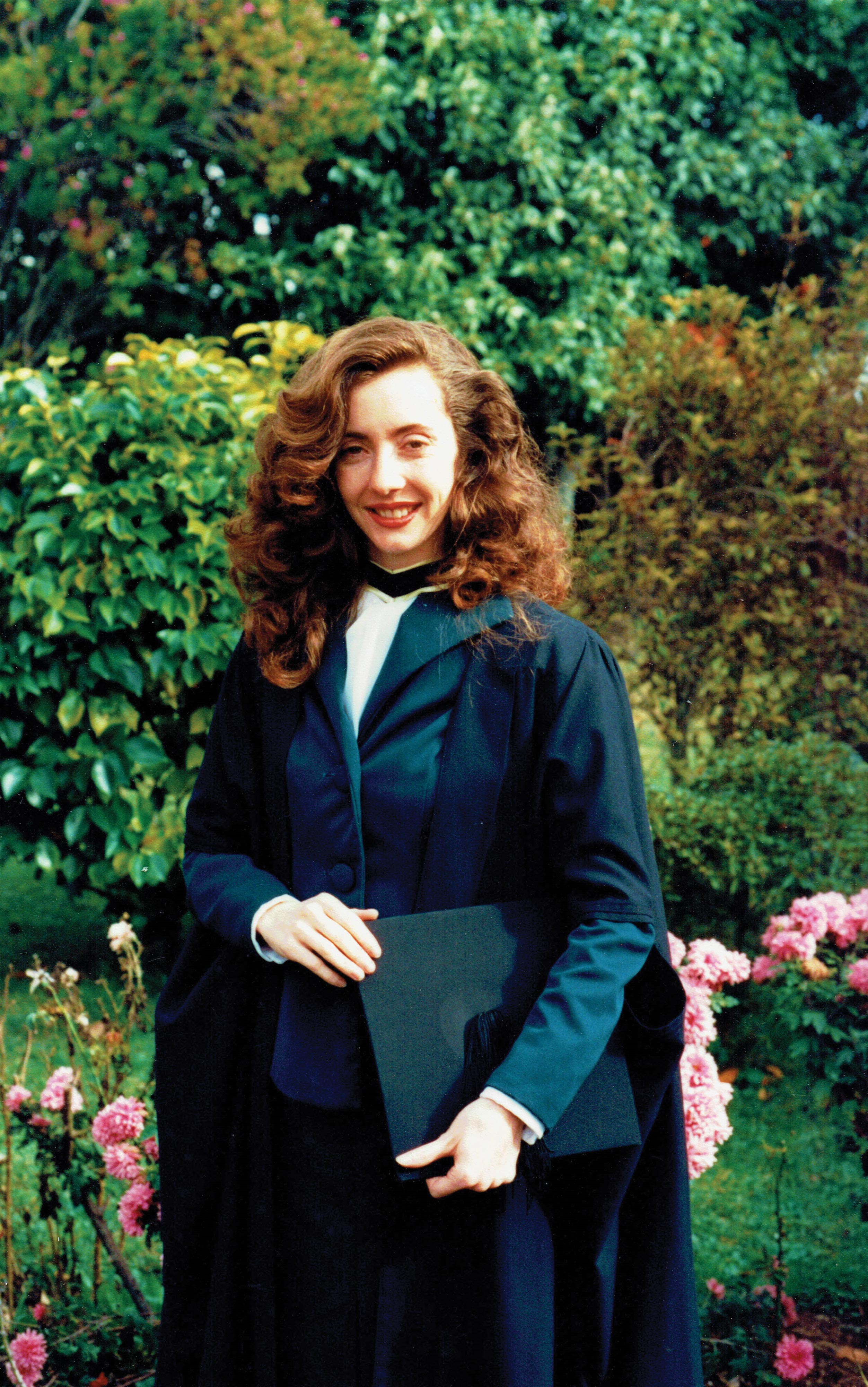
Our highest honour is presented this year to Professor Deidre Brown.
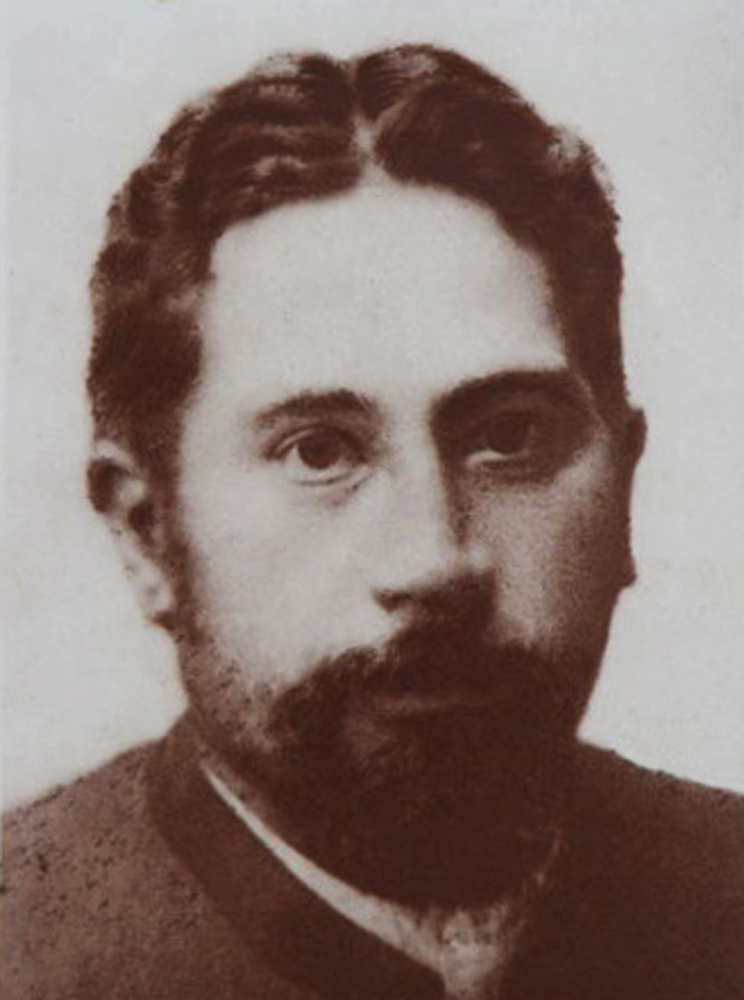
In 2019, Deidre Brown’s appointment as Head of Te Pare School of Architecture and Planning at the University of Auckland made her the first Indigenous woman in the world to hold such a position. It also marked 30 years since Deidre (Ngāpuhi, Ngāti Kahu) began studying architecture at the school, where – in her first crit – she was told to ‘leave Māori architecture on the marae where it belonged’. Her response was to do the opposite.
In continuing to challenge numerous strictures of thinking and practice, Deidre Brown PhD has made an astounding contribution to architecture in Aotearoa New Zealand. The breadth of her work is impressive, encompassing architecture and art, history and housing, culture and craft. Through teaching, research, writing, art curation, leadership and mentoring, Deidre has touched the lives of many. Her sphere of influence is so far-reaching that it’s impossible to define.
For Te Kāhui Whaihanga, embracing the introduction of a broader criteria for awarding the Gold Medal – the Institute’s highest honour – is a watershed moment. As a profession, there is much to celebrate in recognising the highly influential career of this wahine toa.
Deidre is a Fellow of the Institute and the Royal Society of New Zealand Te Apārangi. Throughout her career, a year has not passed without the appointment of a fellowship, scholarship or new academic role, the receipt of an award, the publication of a book or paper, the curation of an exhibition, or her guidance influencing architects and urban planners in the making. In academia alone, Deidre has taught hundreds of students and mentored dozens.
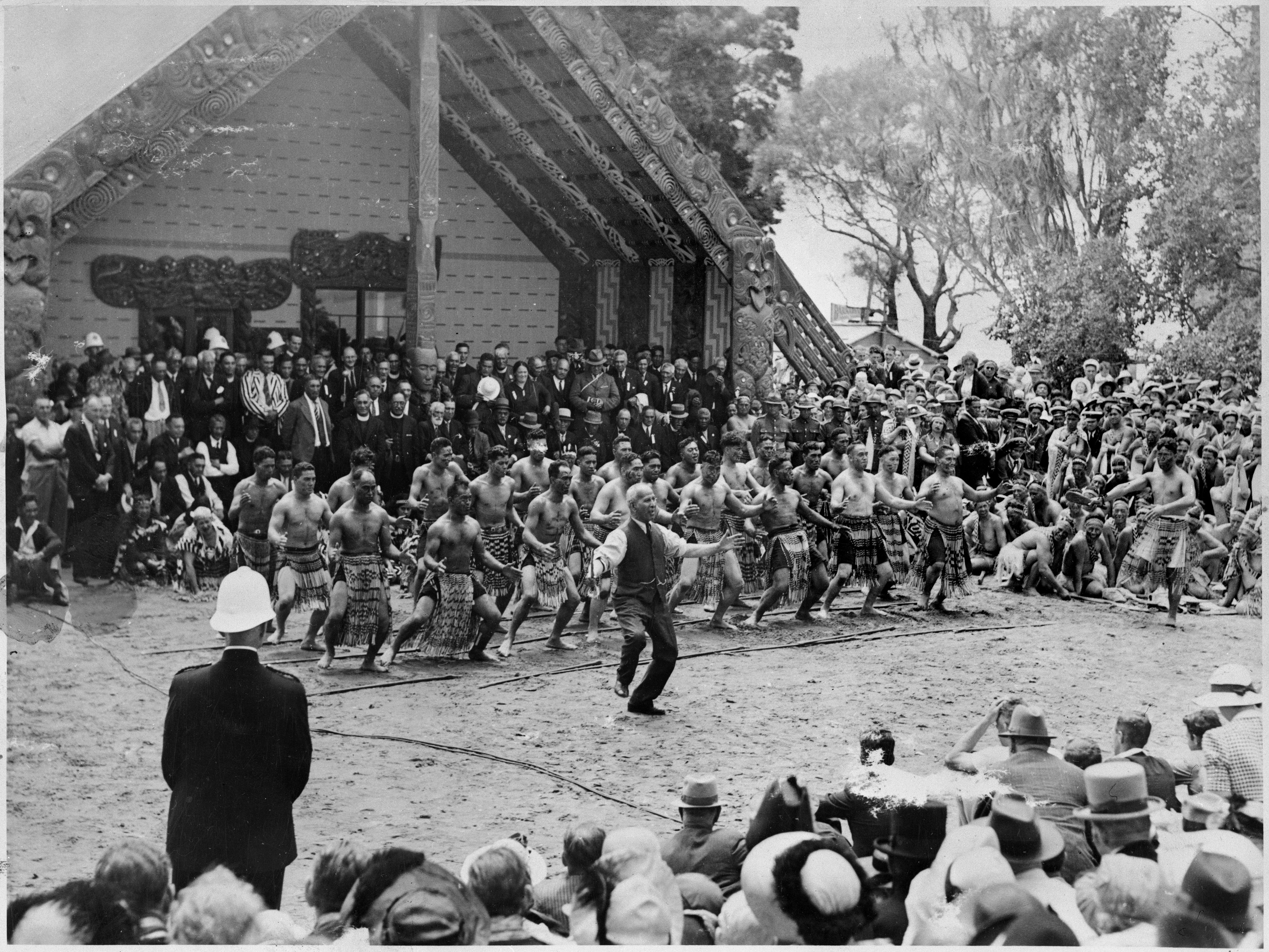
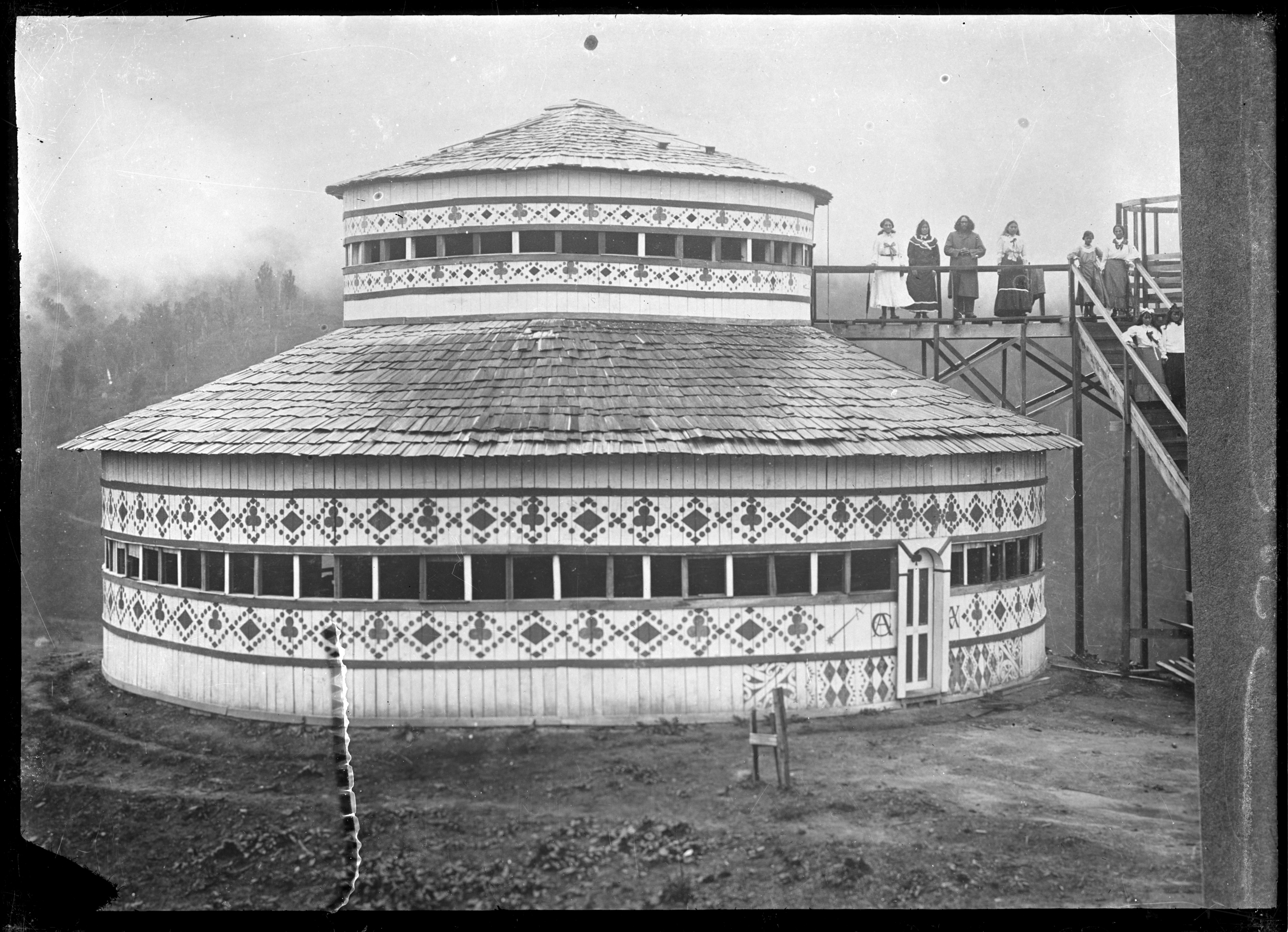
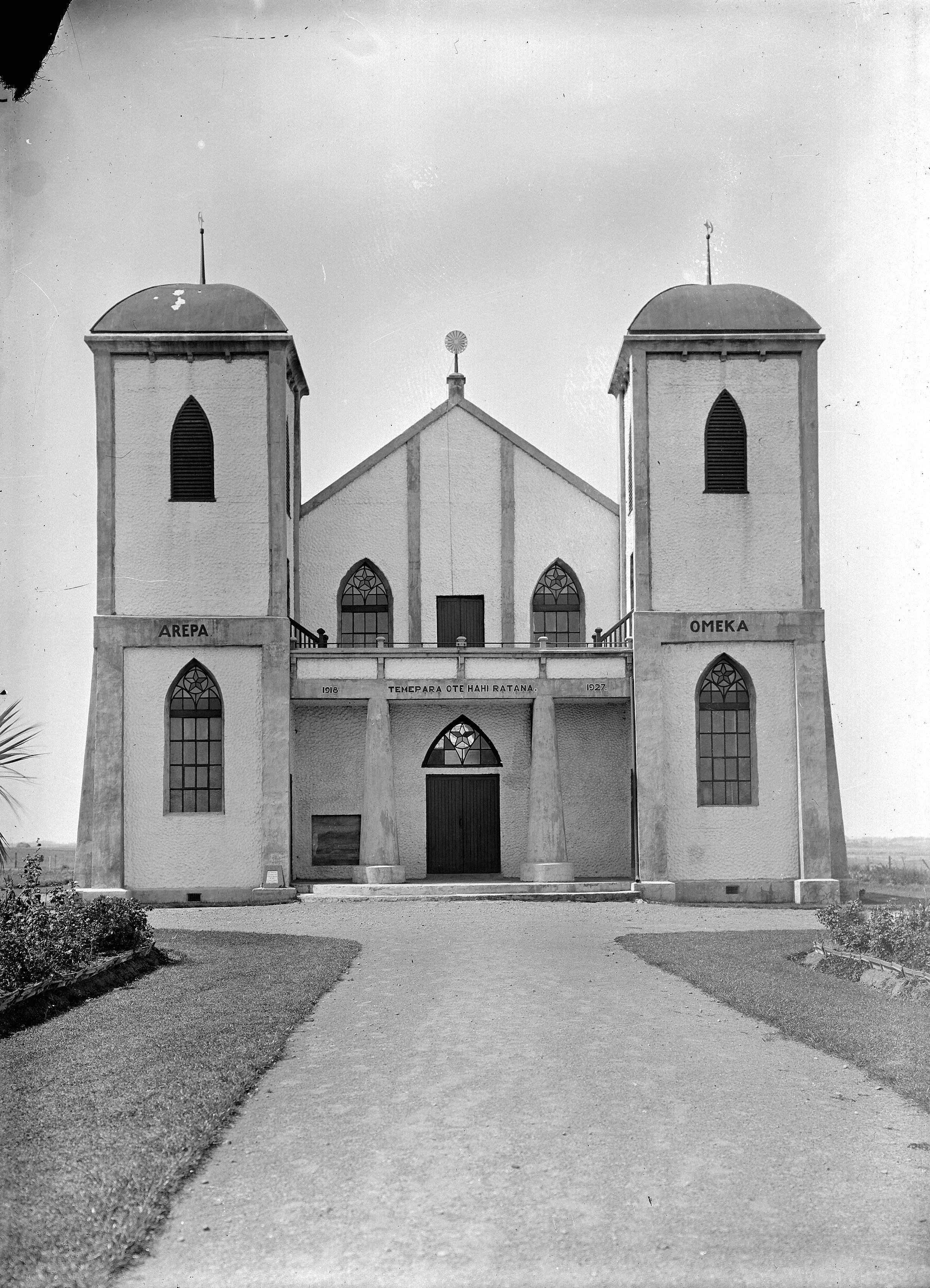
Importantly, Deidre’s influence has not been confined to the academic world but made accessible through multiple avenues, including literature. Her seminal book, Māori Architecture (2009), was a landmark achievement in our history and continues to be an influential force. The book traces an architectural evolution from pre-European to contemporary times, telling the story of an ever-changing people. It is just one piece of Deidre’s work that is relevant and critical to the development of Aotearoa’s unique identity.