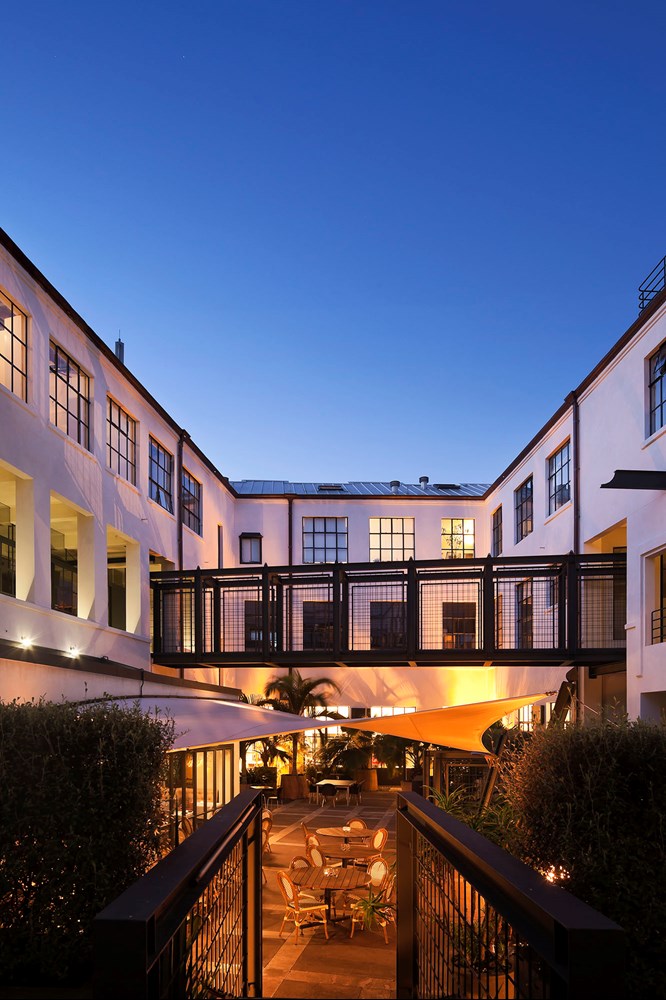
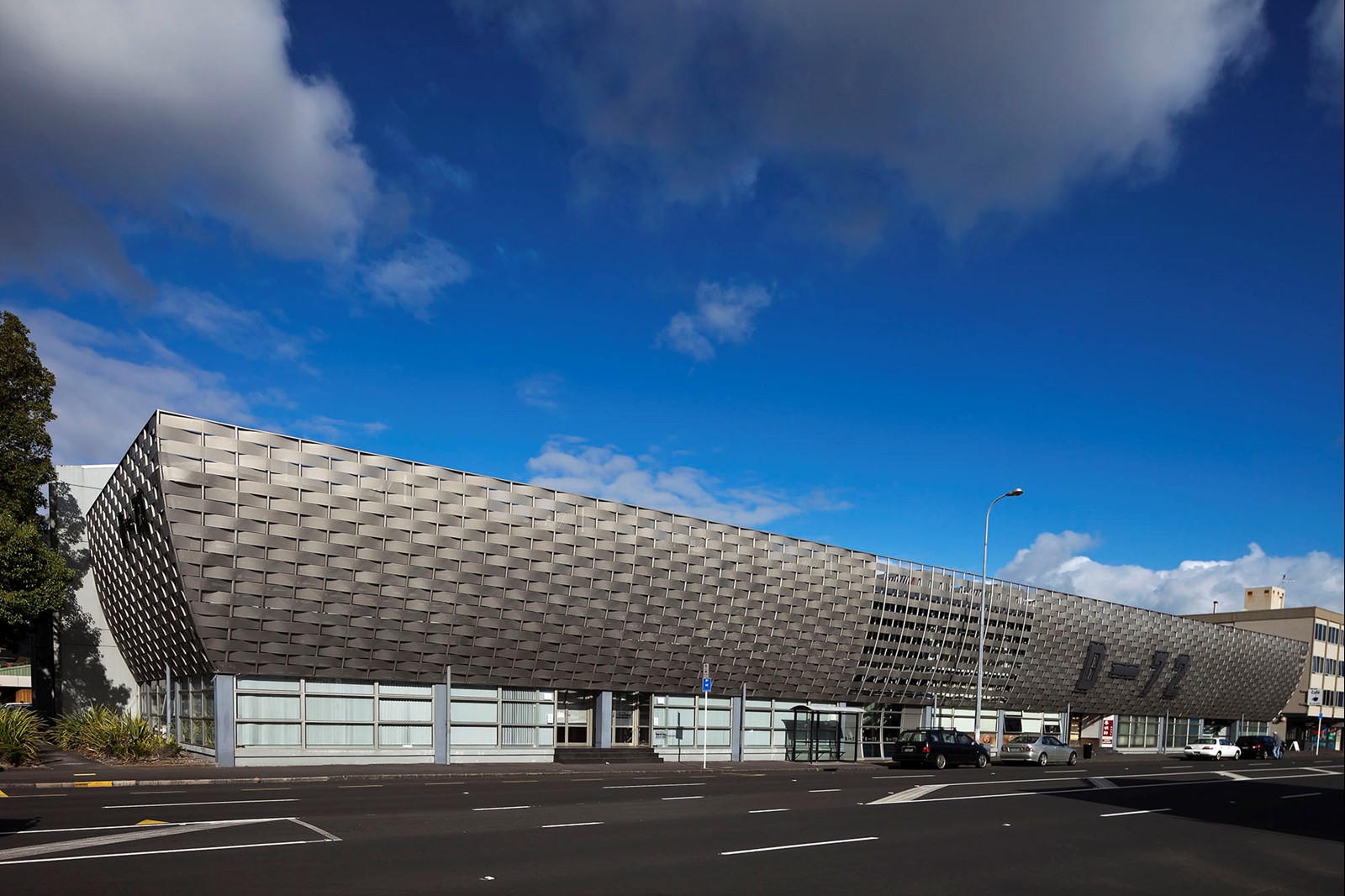
Over the course of three decades Andrew Patterson has forged a reputation as a confident designer of striking buildings with great presence. His practice’s portfolio is replete with distinctive projects.
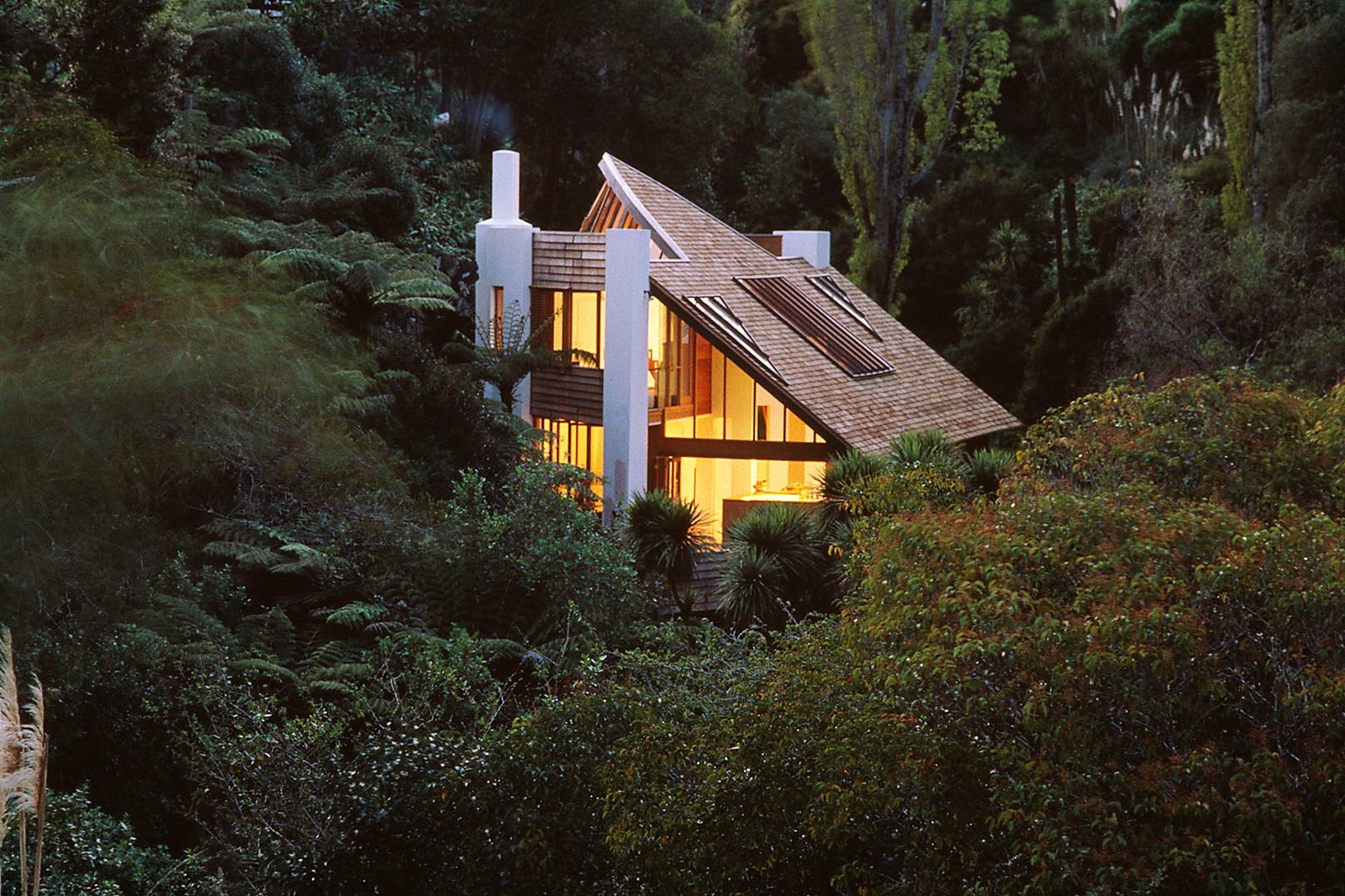
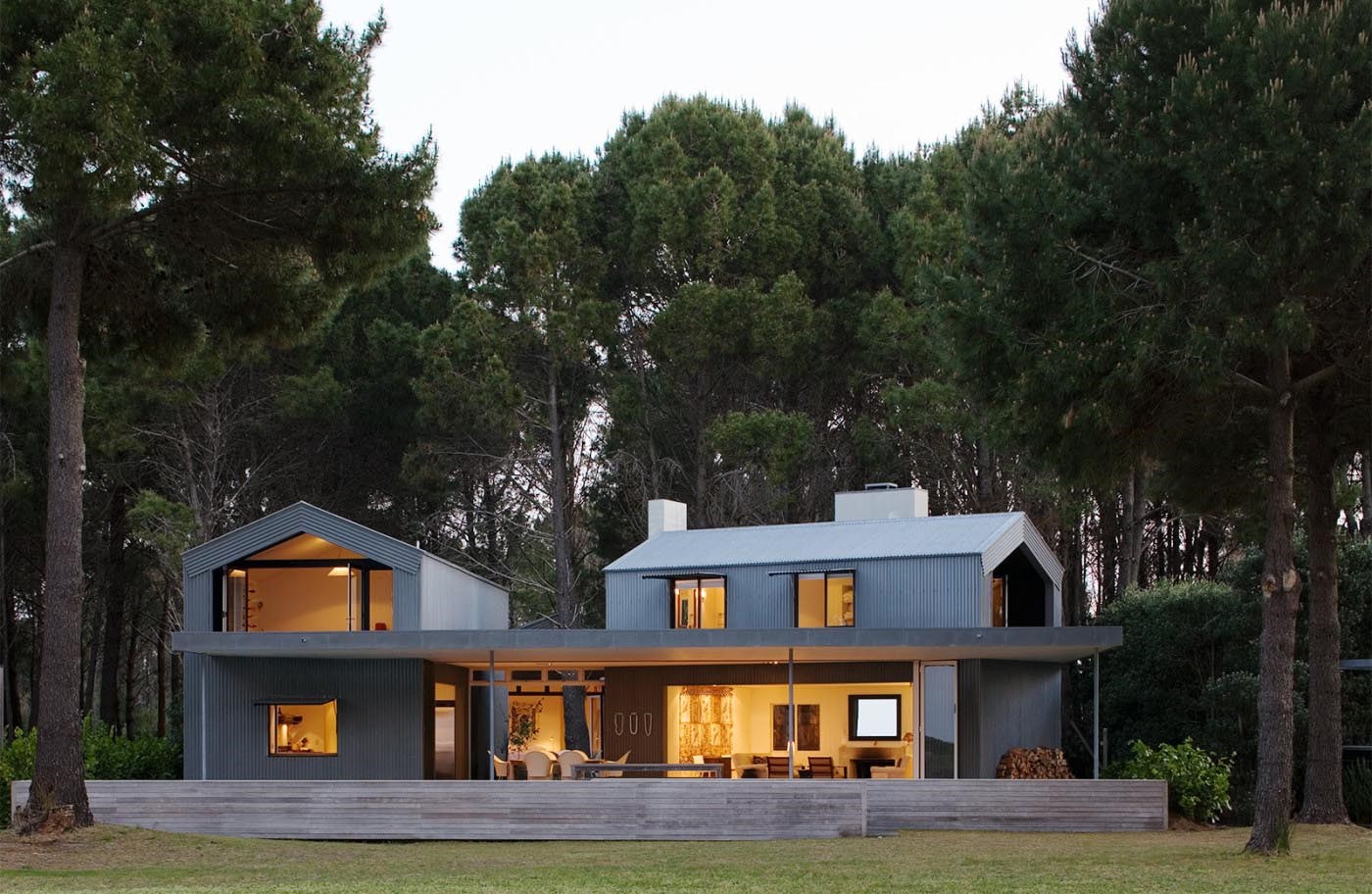
Patterson buildings do not just assert their difference against the designs of the architect’s peers; they are also highly differentiated from each other. Consequently, Andrew’s work epitomises bespoke architecture and expresses the paradox of such particularity: he has generated a lineage uncharacterised by familial resemblance. He seems determined not to repeat himself.
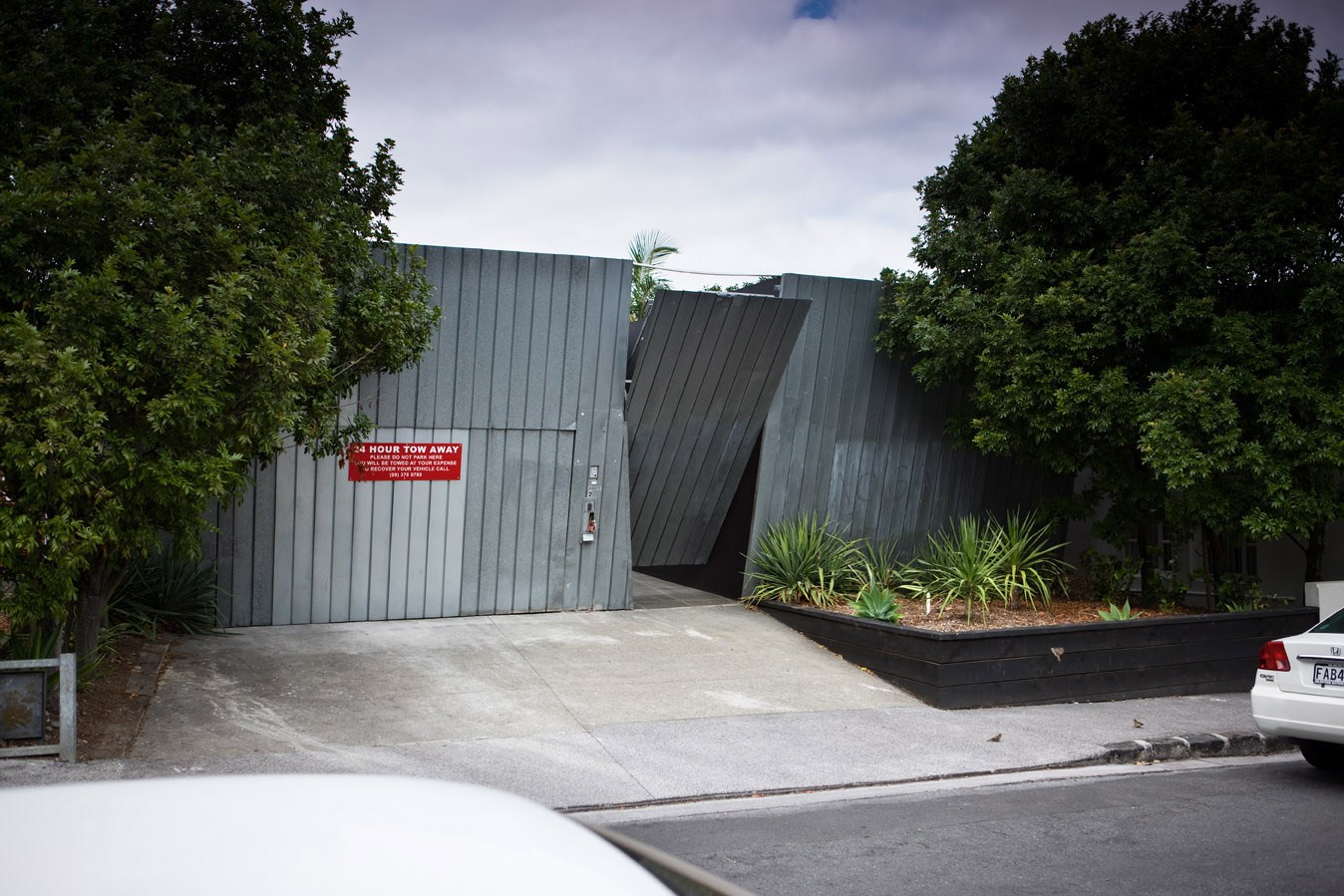
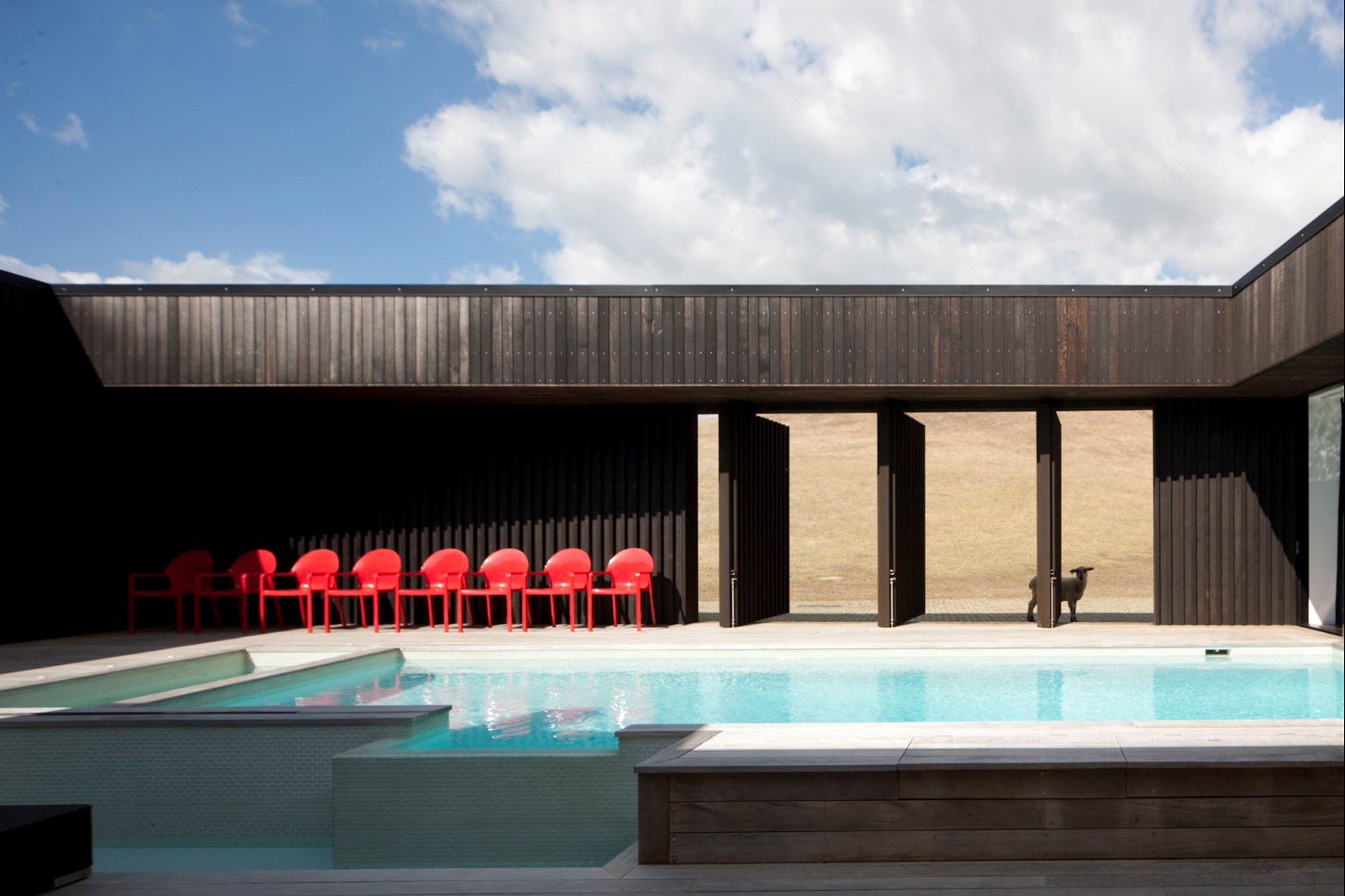
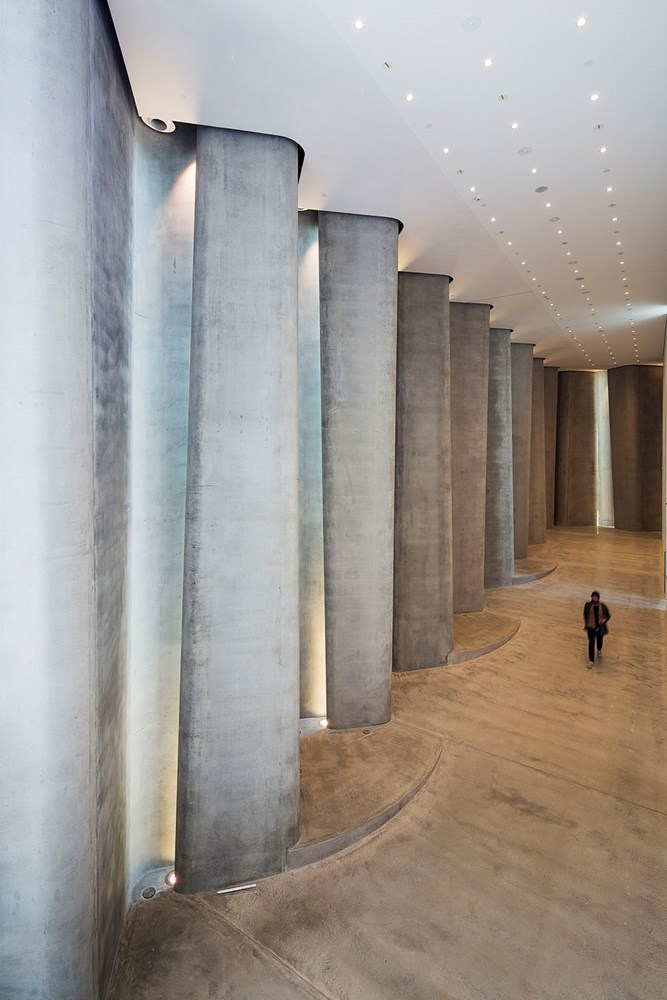
That is not to say that Andrew’s work is without defining traits or a common spirit. His architecture is as adventurous as he is aesthetically dextrous. He could surely turn his hand to any style, and like a high-art novelist dipping pseudonymously into genre writing, he has designed lesser-known works in a variety of idioms. But bold form-making is at the heart of Andrew’s practice, along with an appreciation for and masterful deployment of materials. He likes the tough and solid stuff, especially concrete and steel.
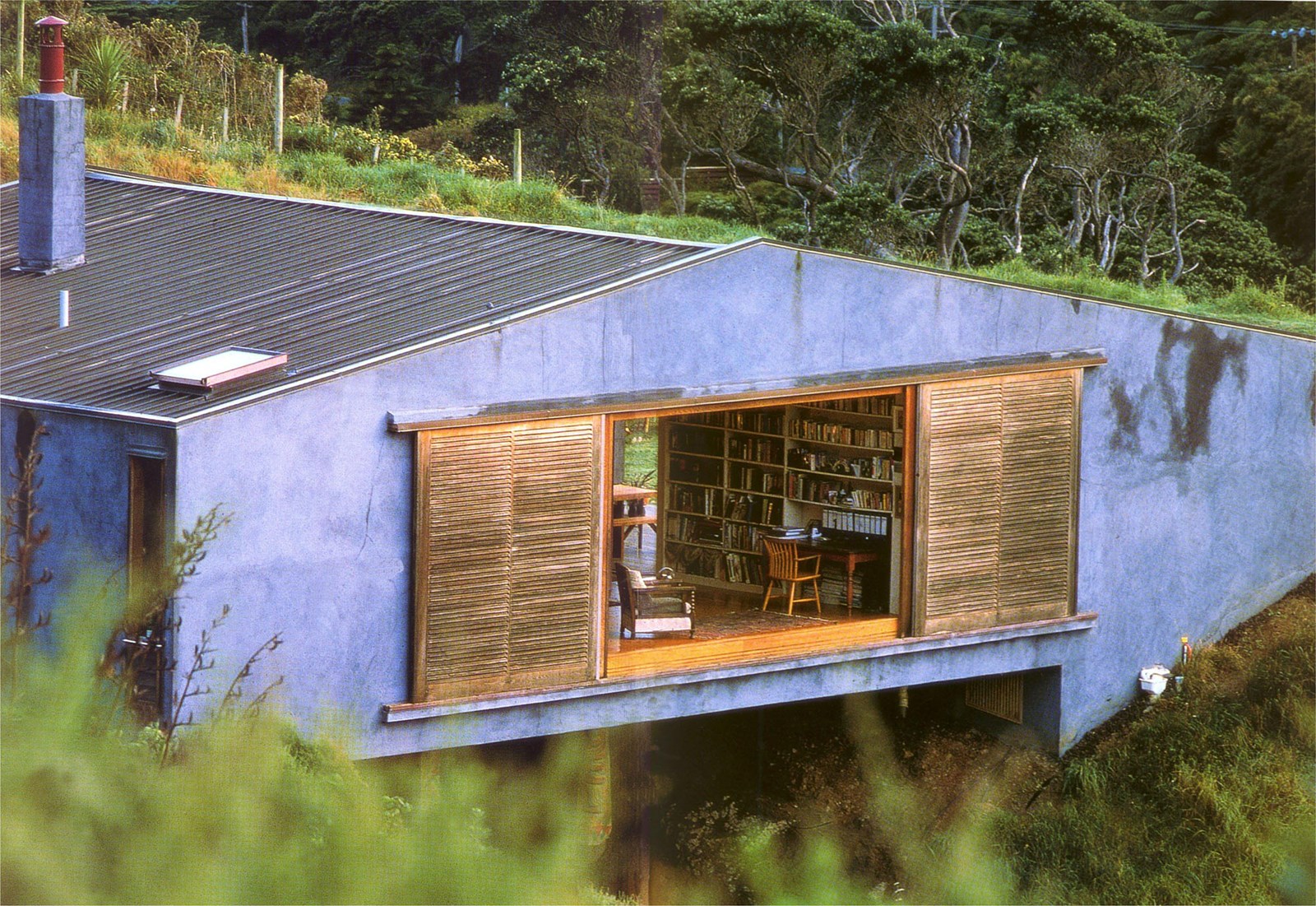
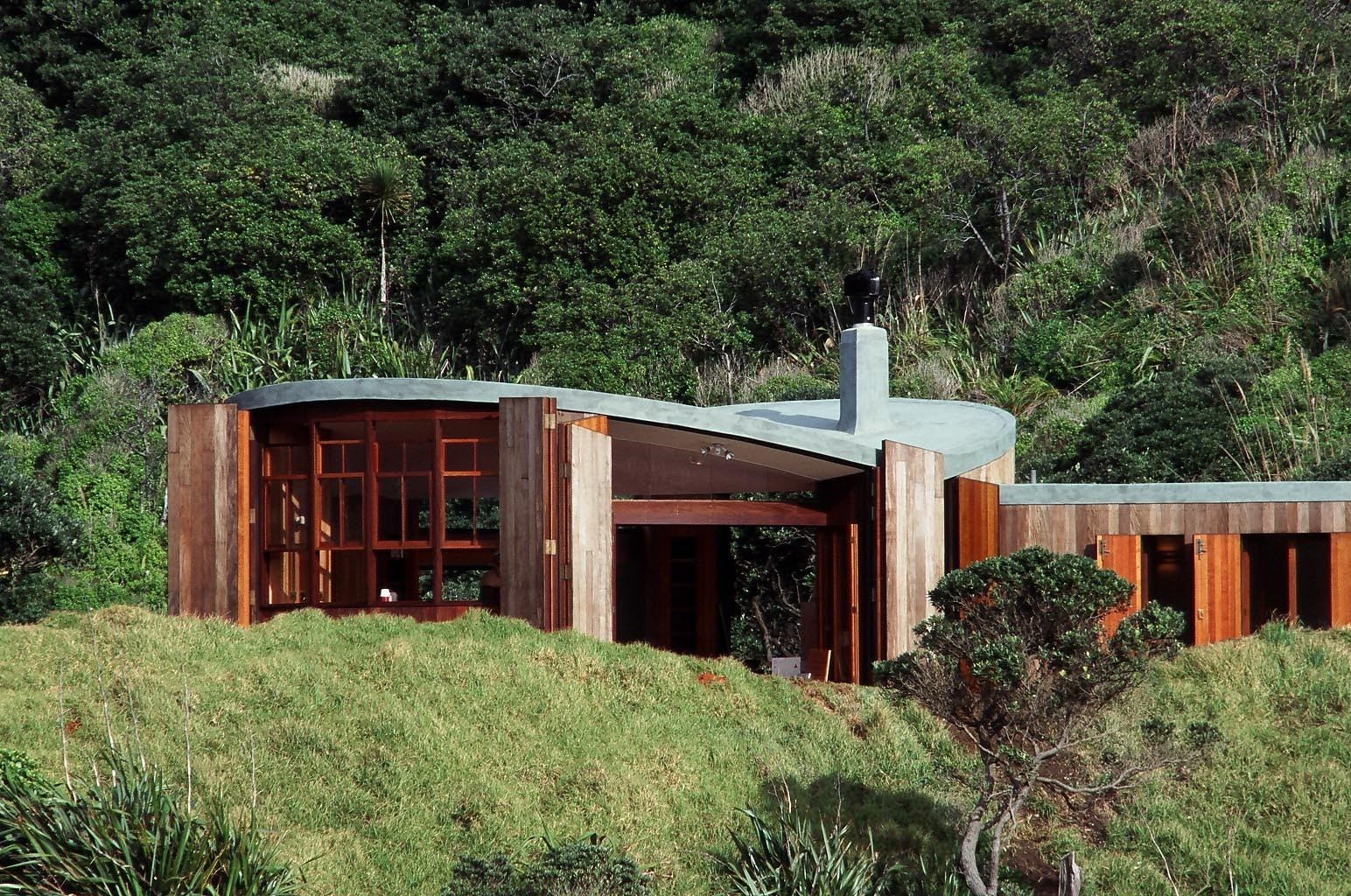
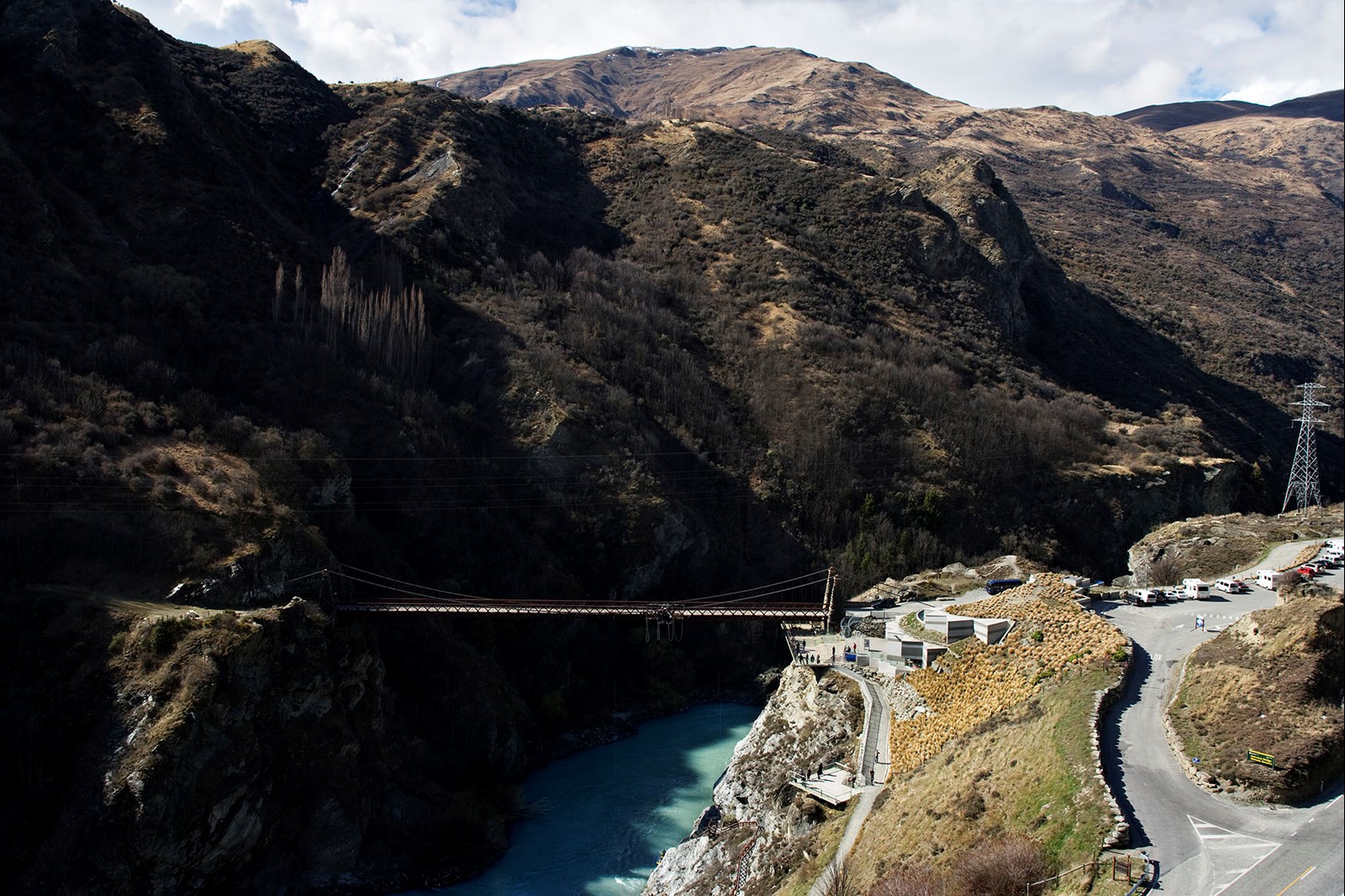
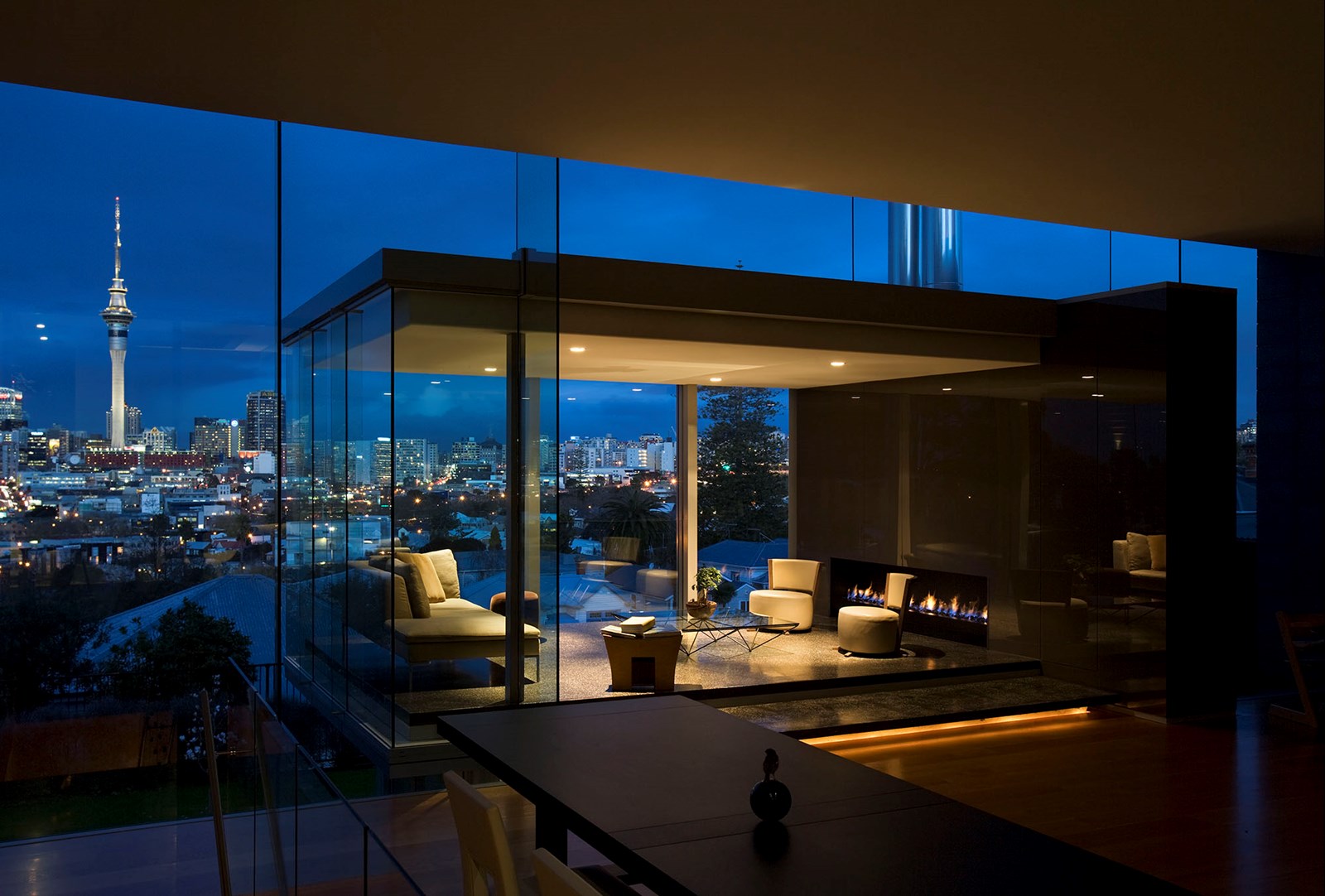
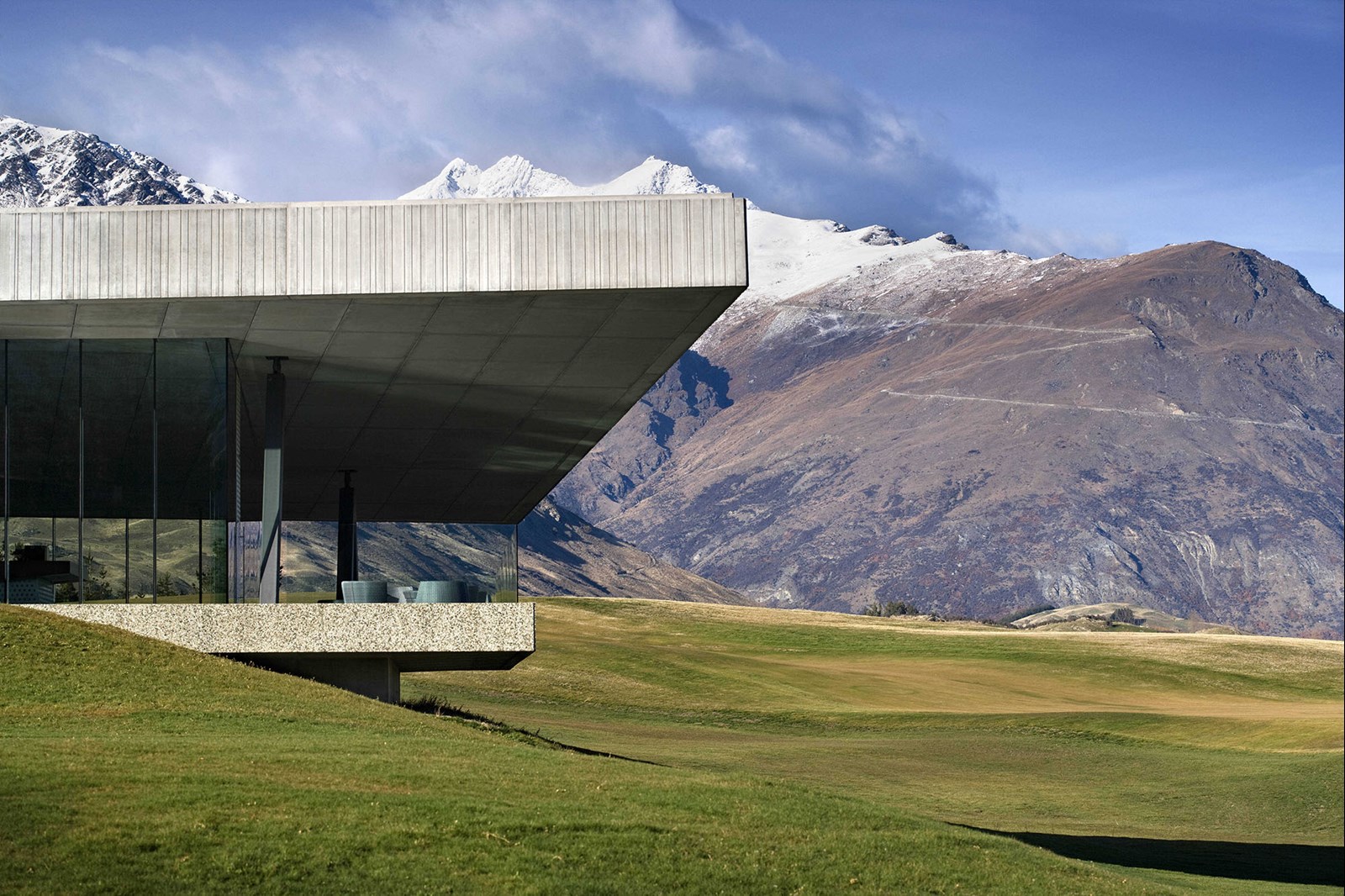
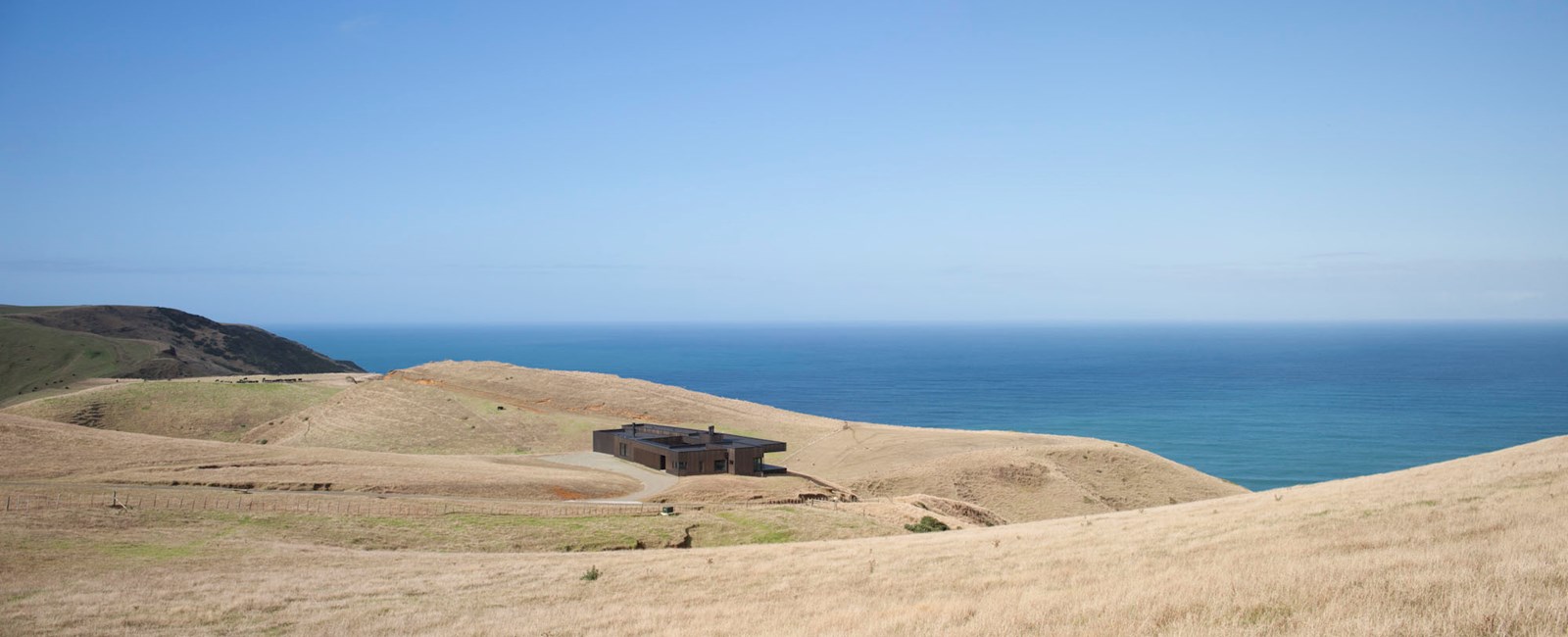
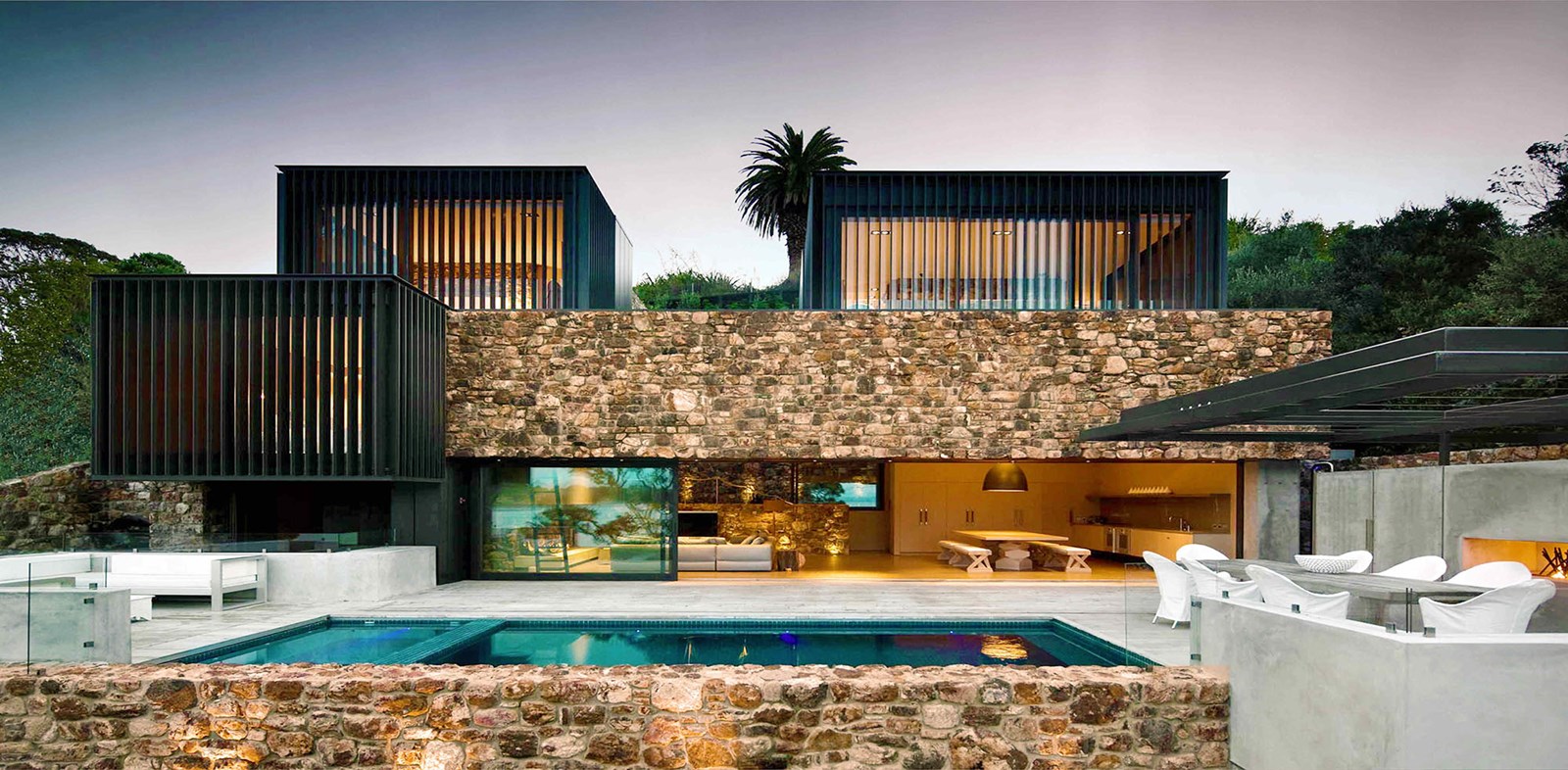
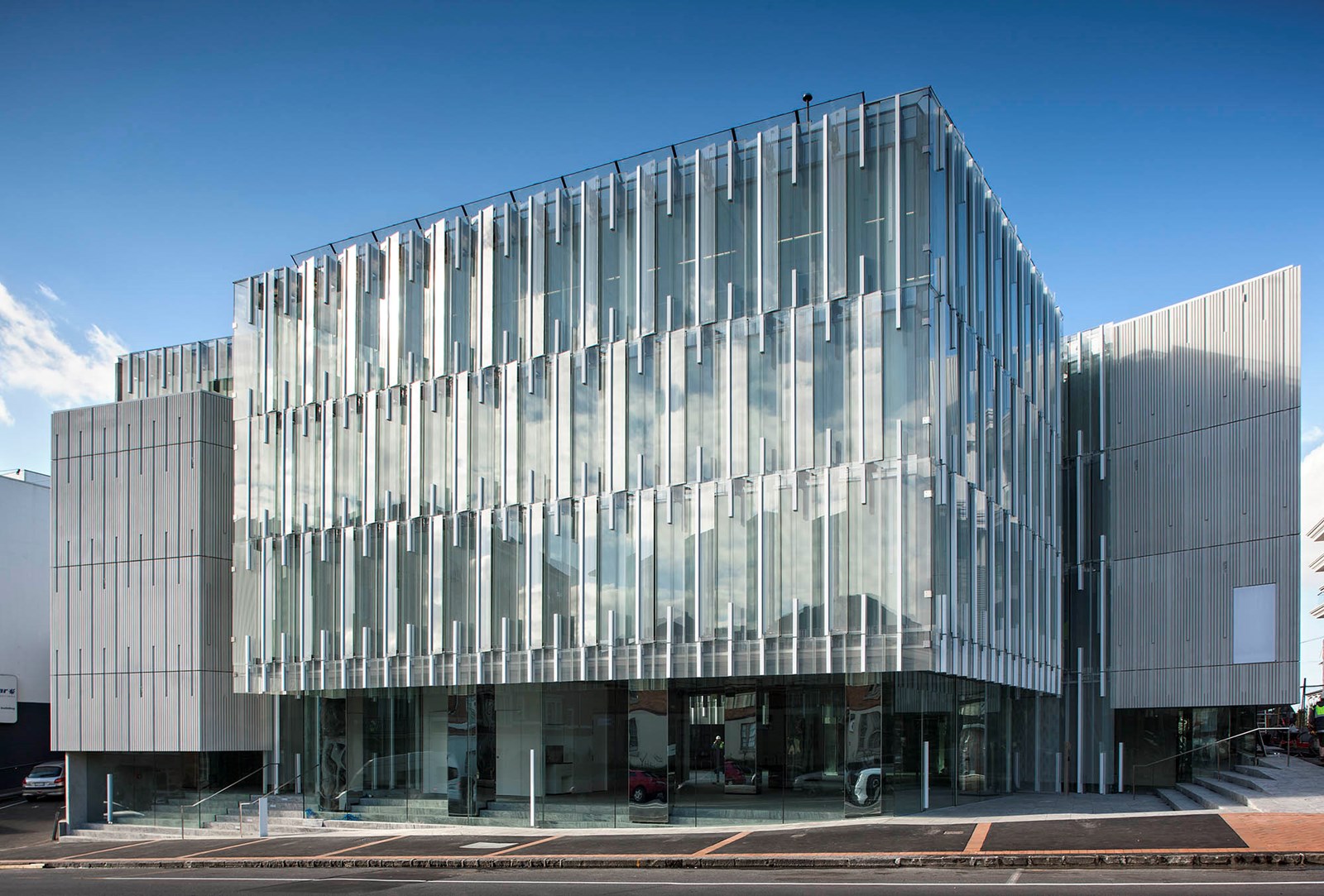
This predilection is highly compatible with his declarative impulse. There is nothing tentative about Andrew’s architecture. Not for him, for much of his career, the tread lightly approach. Andrew’s architecture is an architecture of occupation; buildings such as Site 3 (2001), Geyser (2012) and The Lodge at Kinloch Club (2016) take possession of their sites. Often, the buildings burrow in, as is the case with two Queenstown projects, AJ Hackett Bungy (2002) and The Michael Hill Golf Clubhouse (2008). Digging in, as Andrew points out, is not a foreign concept in this country; Māori were sculpting the earth in Aotearoa for centuries before the Europeans turned up.
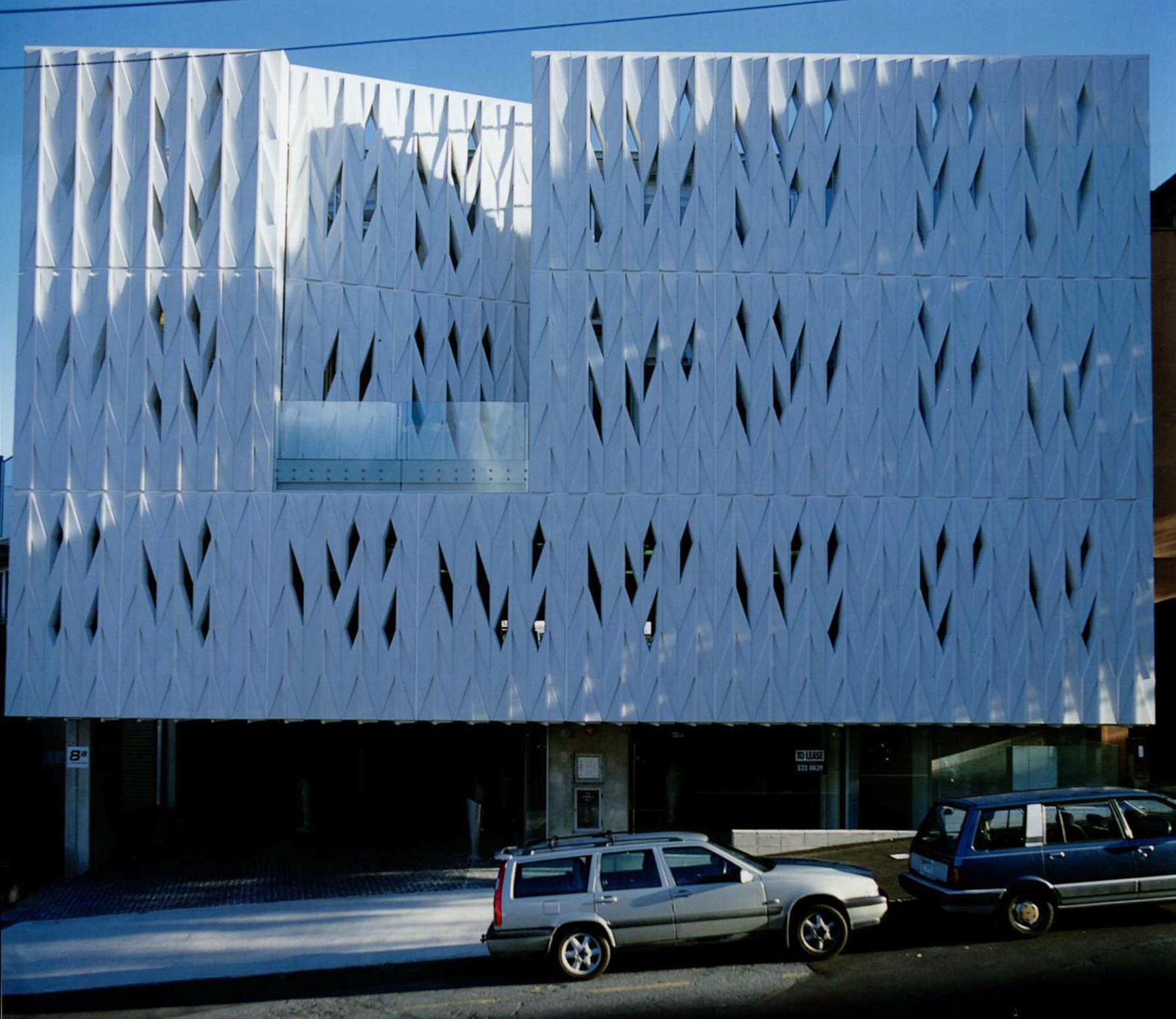
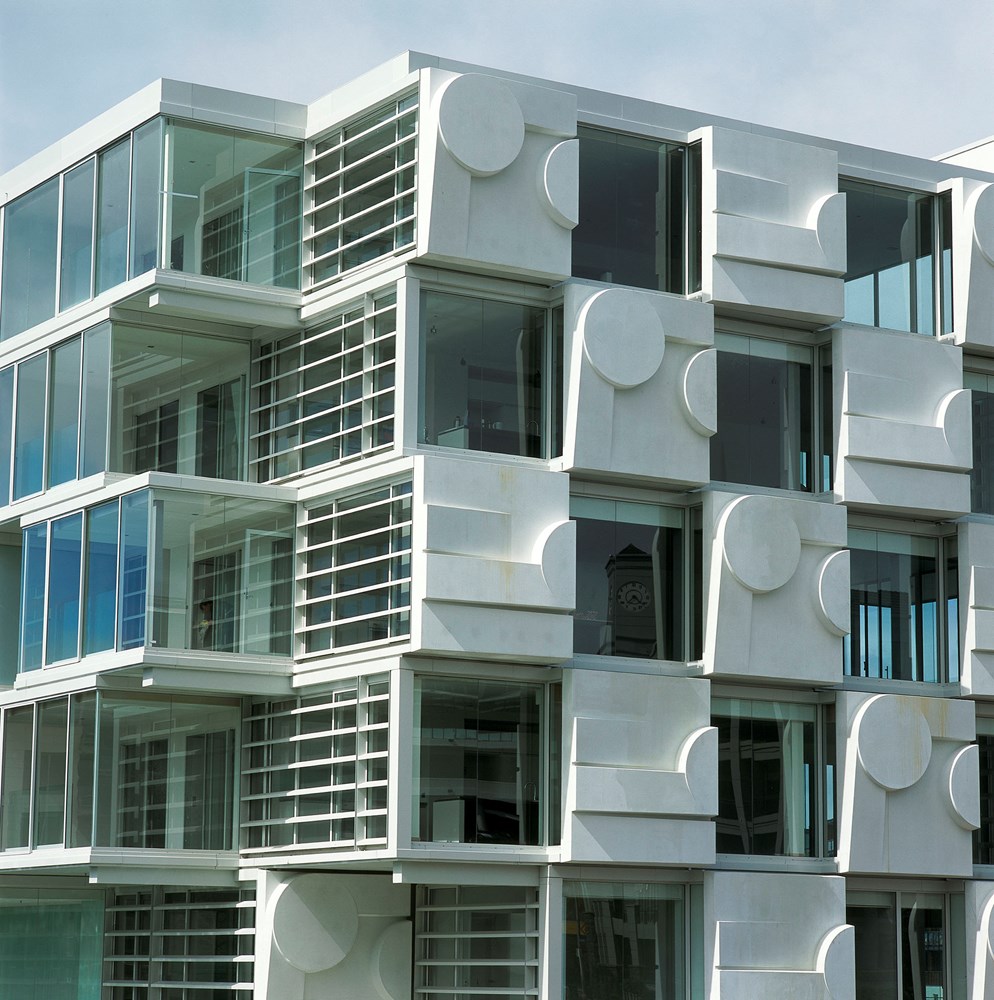
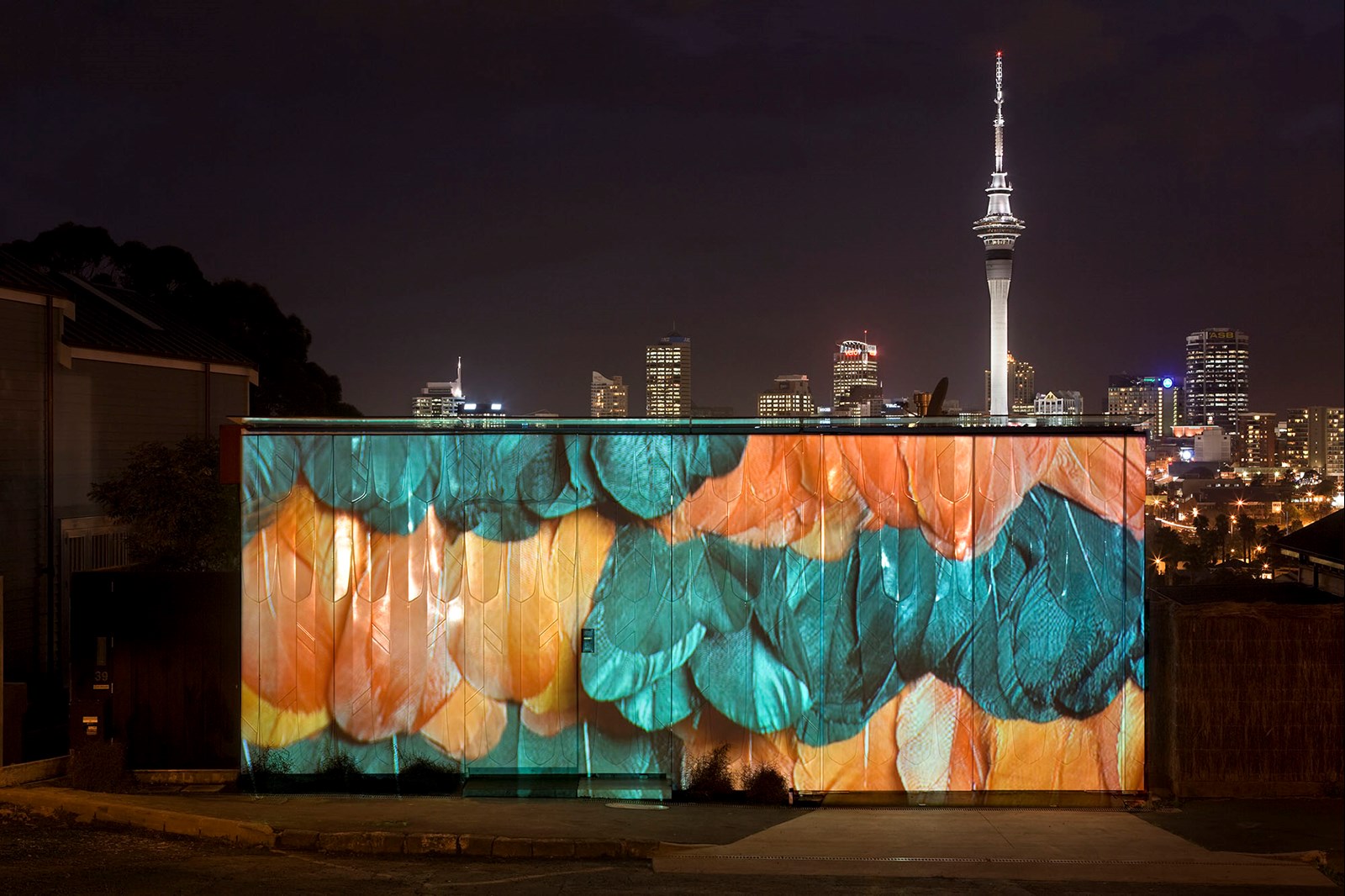
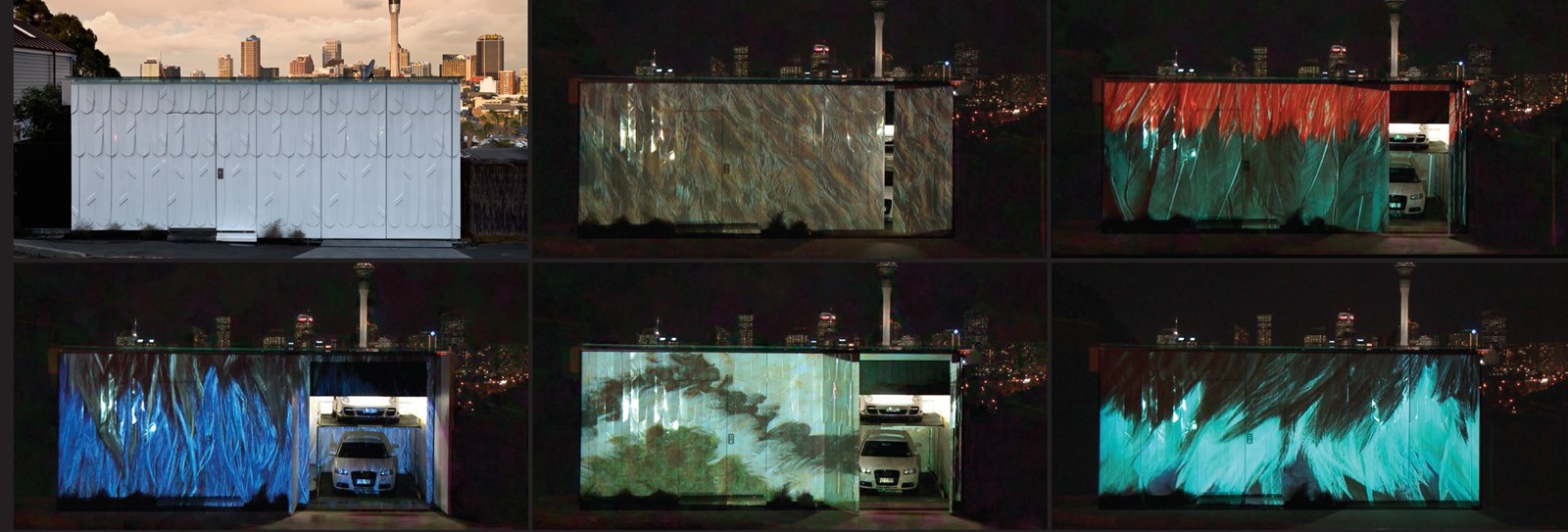
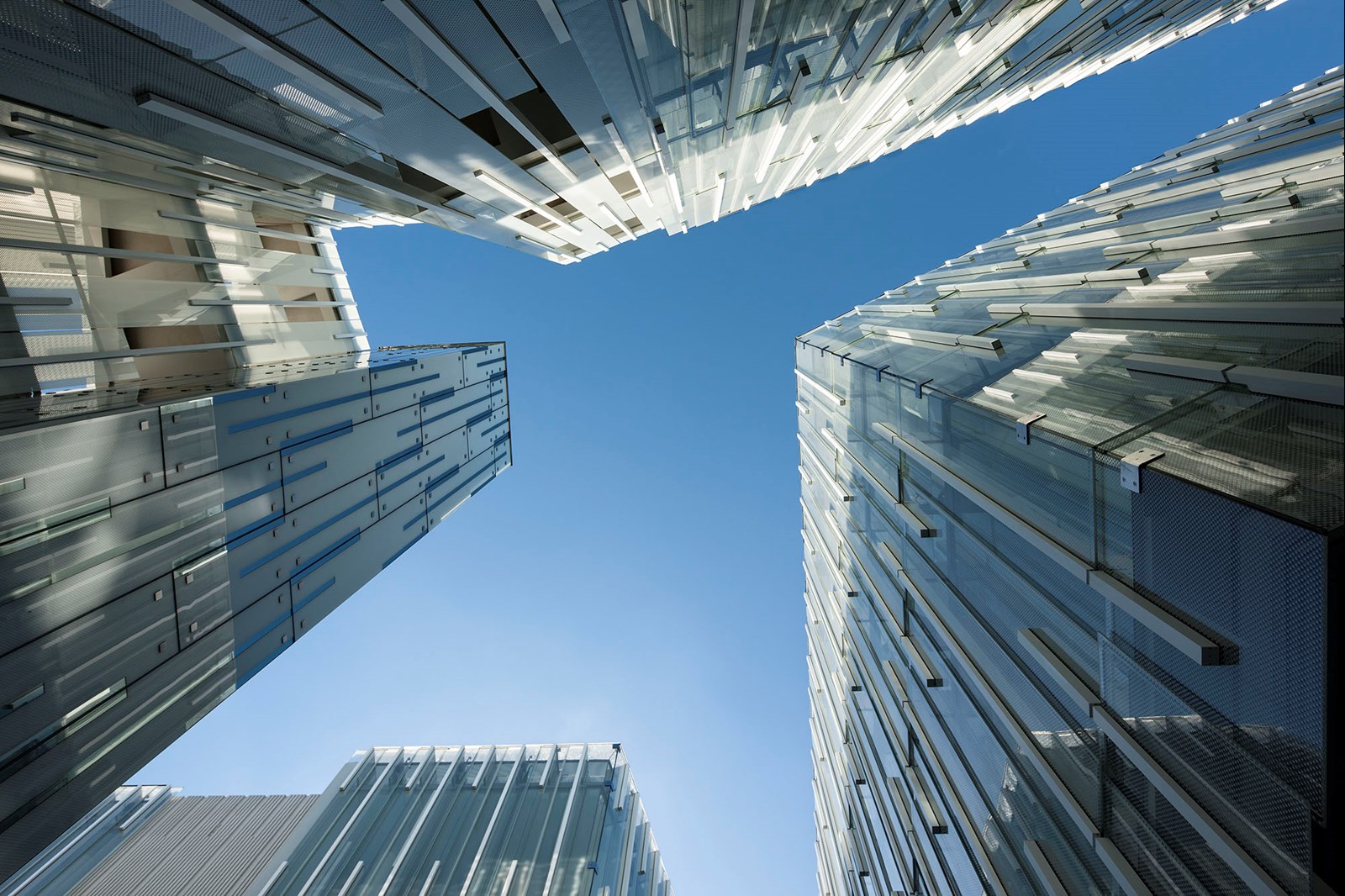
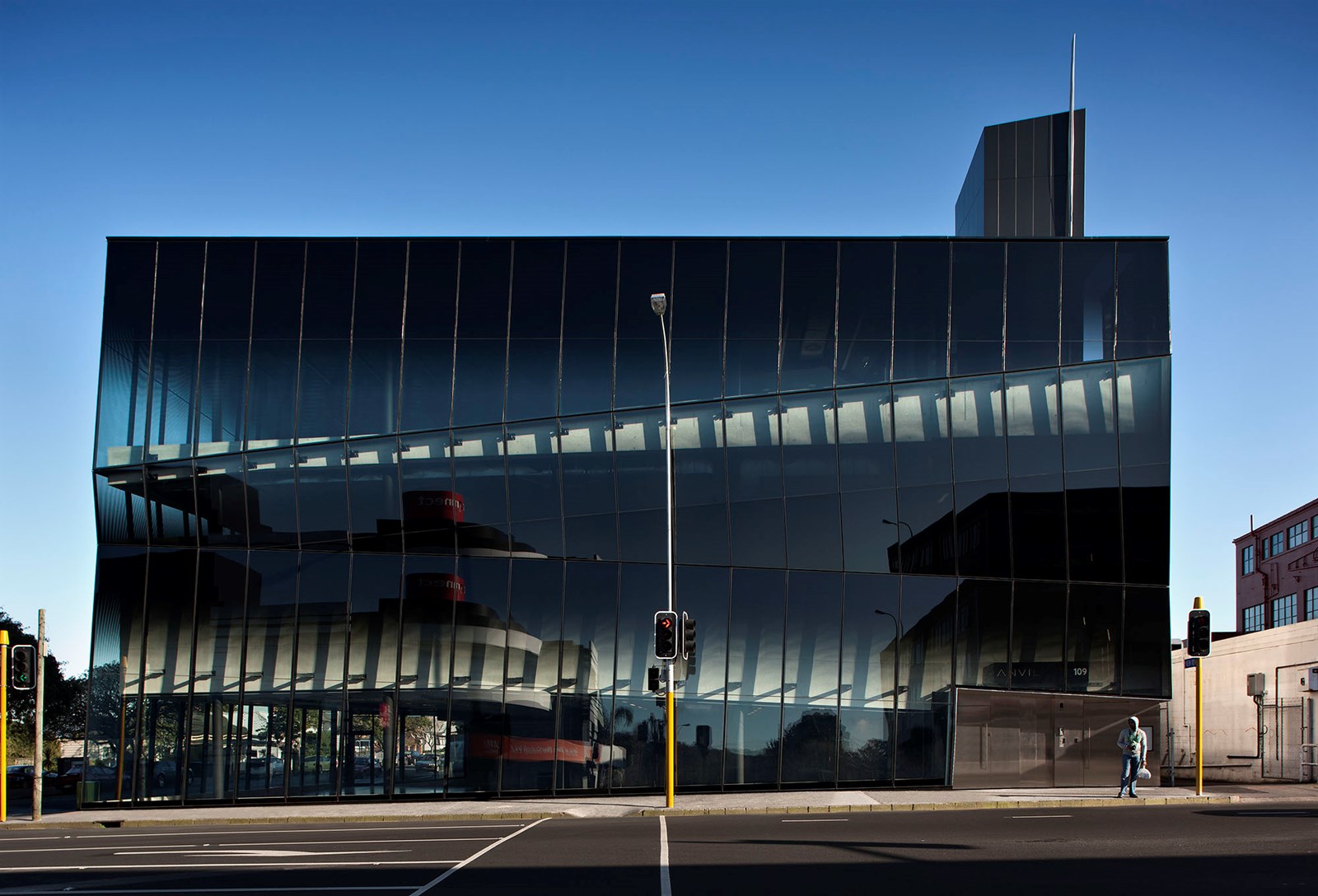
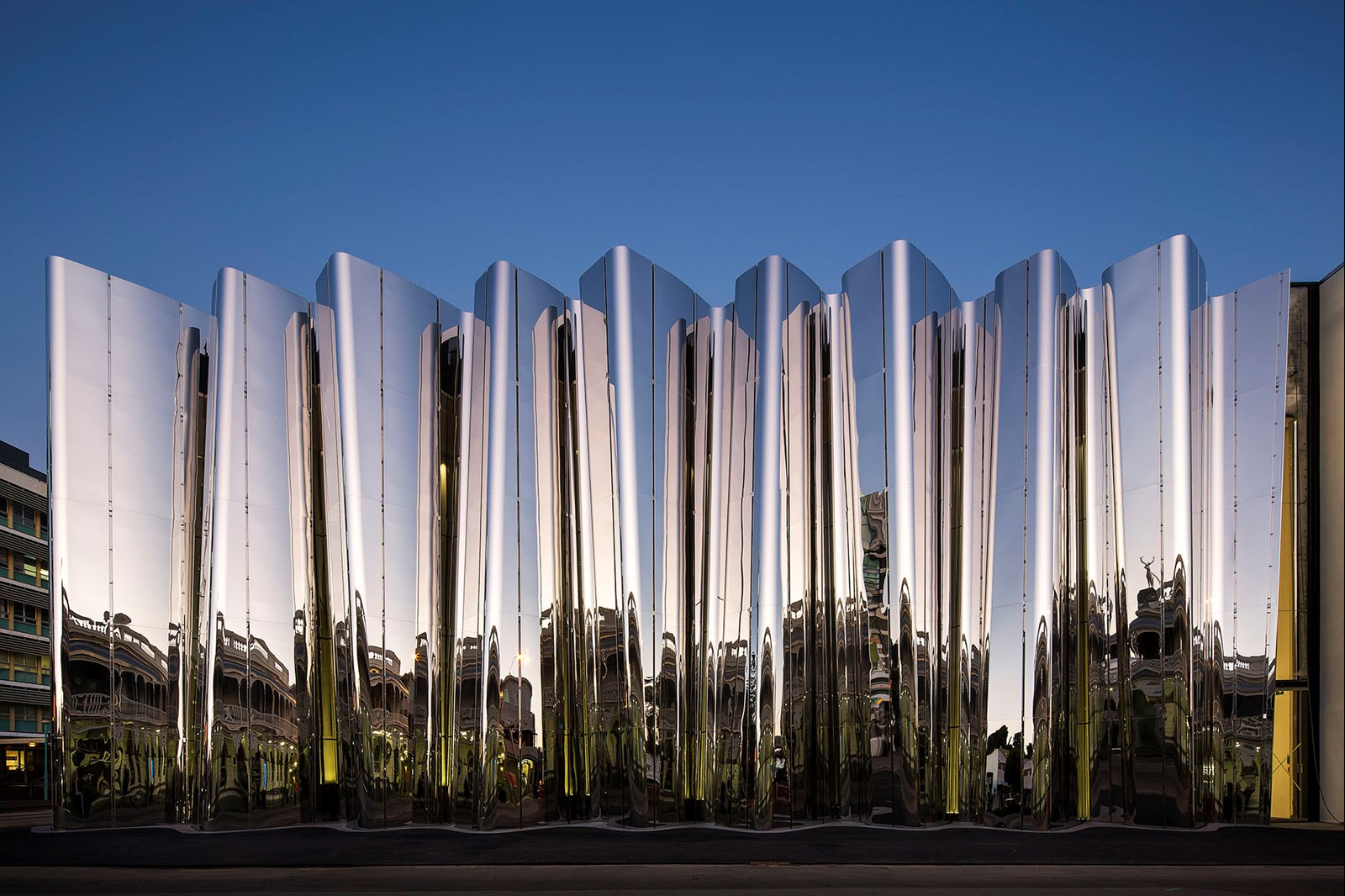
Andrew is at least as comfortable talking about myths as modernism. His attraction to mythologies, and the earth-moving and monument-making civilisations that have produced them, is expressed in strong formal statements such as Anvil and Local Rock House (both 2010) and the Len Lye Centre (2015). It also seems to feed his appetite for pattern-making, a hallmark of his architecture that is there for all to see on buildings as disparate as Cumulus (2003), Stratis (2005) and the Mai Mai House (2007). Pattern is not lightly applied to the façades of these buildings, but seemingly carved out of them. In Andrew’s architecture clarity of concept is never betrayed by timidity of execution.