Under the design leadership of Patrick Clifford, Architectus has established a reputation for outstanding performance.
The firm’s record over the past three decades indicates an exacting commitment to meet the high standards Patrick and his fellow founding partners, Malcolm Bowes and Michael Thomson, have always set for themselves and their practice. That record, as an ever-flowing stream of major design awards suggests, is one of sustained and consistent excellence.
Architectus does not countenance mediocrity. Patrick and his partners, a tightly-knit group that latterly has included Carsten Auer, have staked out a position in New Zealand architecture. Without being doctrinaire or dismissive of others, the firm stands for something – not a style, but a way of doing architecture.
Architectus projects have their genesis in a process of typological investigation and contextual and cultural interrogation; they reveal a deep appreciation for material qualities and a disciplined enjoyment of assemblage; and they express a fundamental focus on building performance and occupier experience.
The concerns and components of Patrick’s architecture are brought together with the clarity that comes from thorough resolution. There is an understated confidence to Architectus’ work; the practice’s buildings don't throw their often-substantial weight around, but take their place in the cityscape with urbane and assured authority. This is mature, big city architecture, free of the brittle ostentation and insular self-regard to which a small society is prone, and its quality, if not contagious, is certainly invigorating.
Patrick’s buildings possess that rare architectural facility: they make the buildings around them look better.
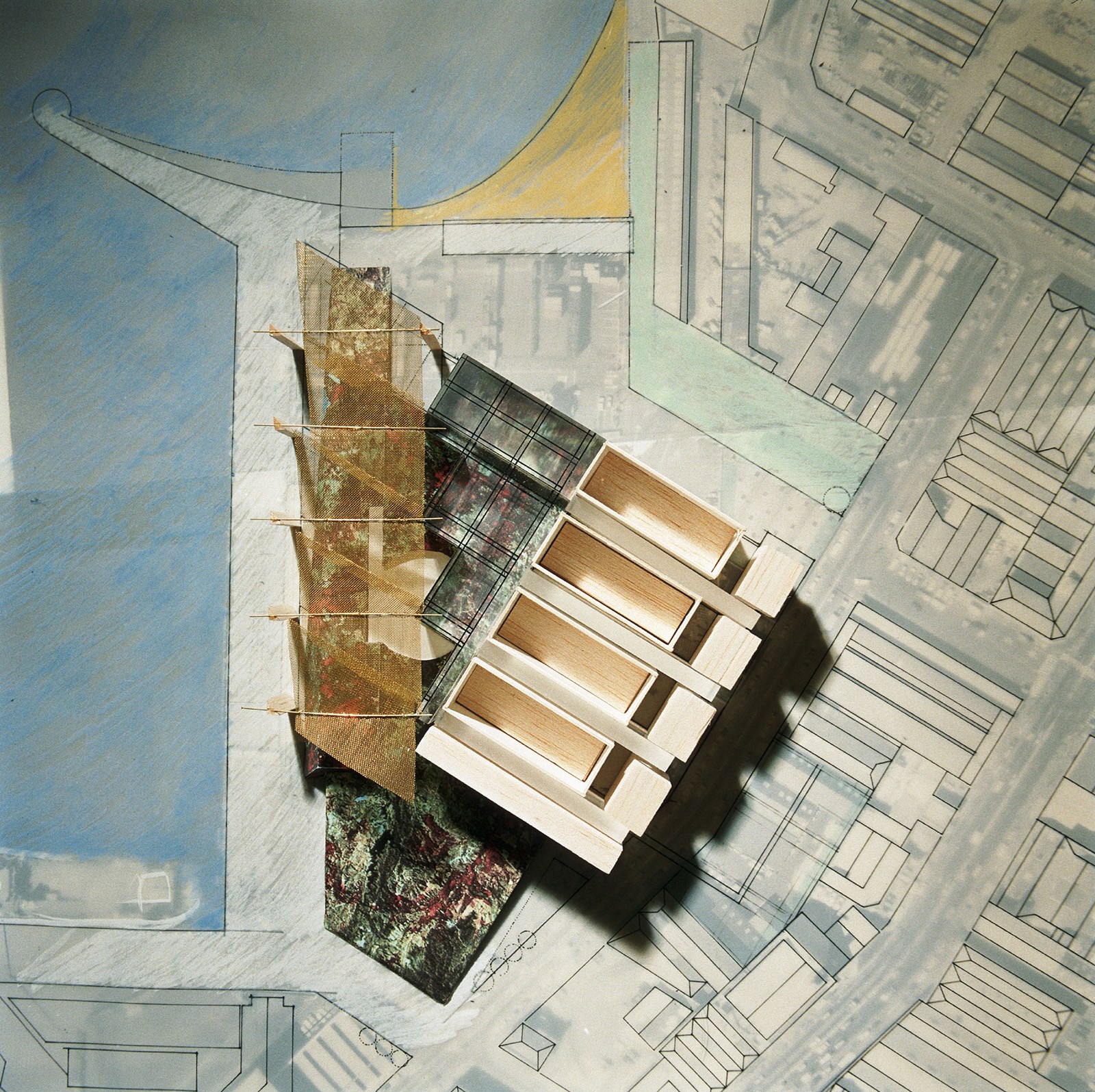
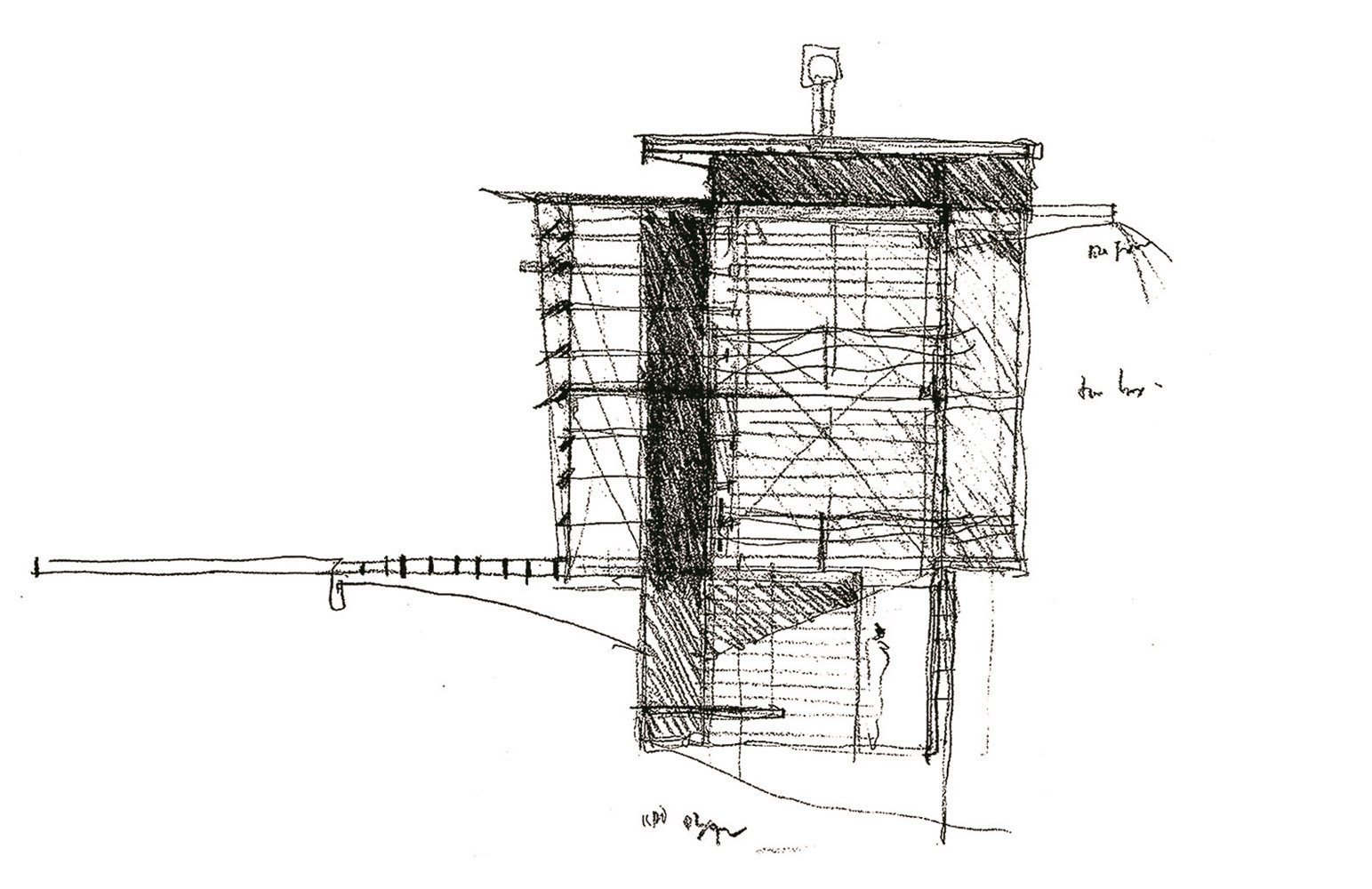
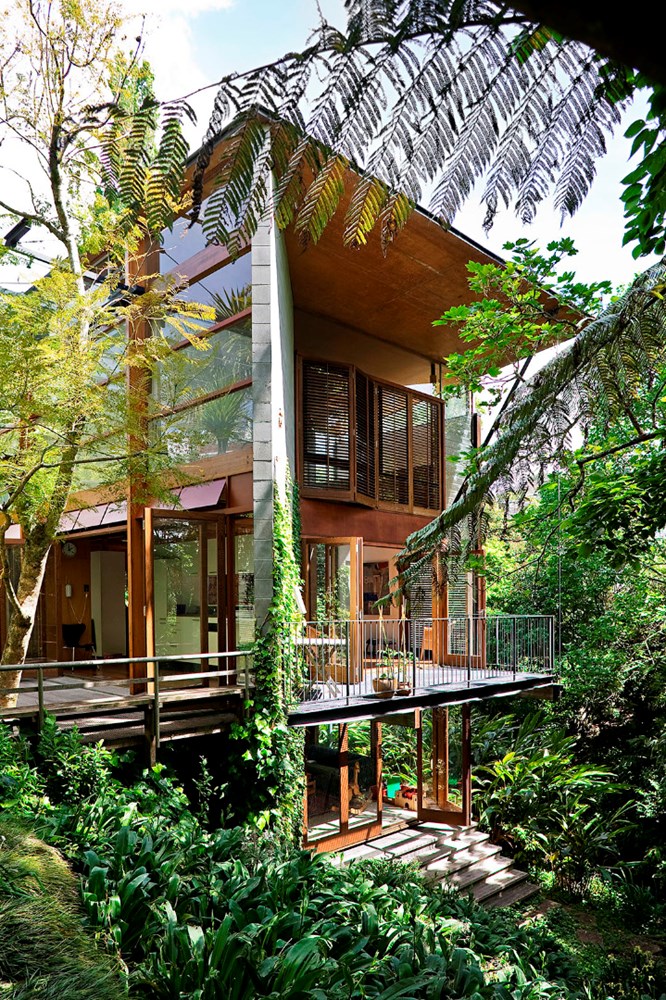
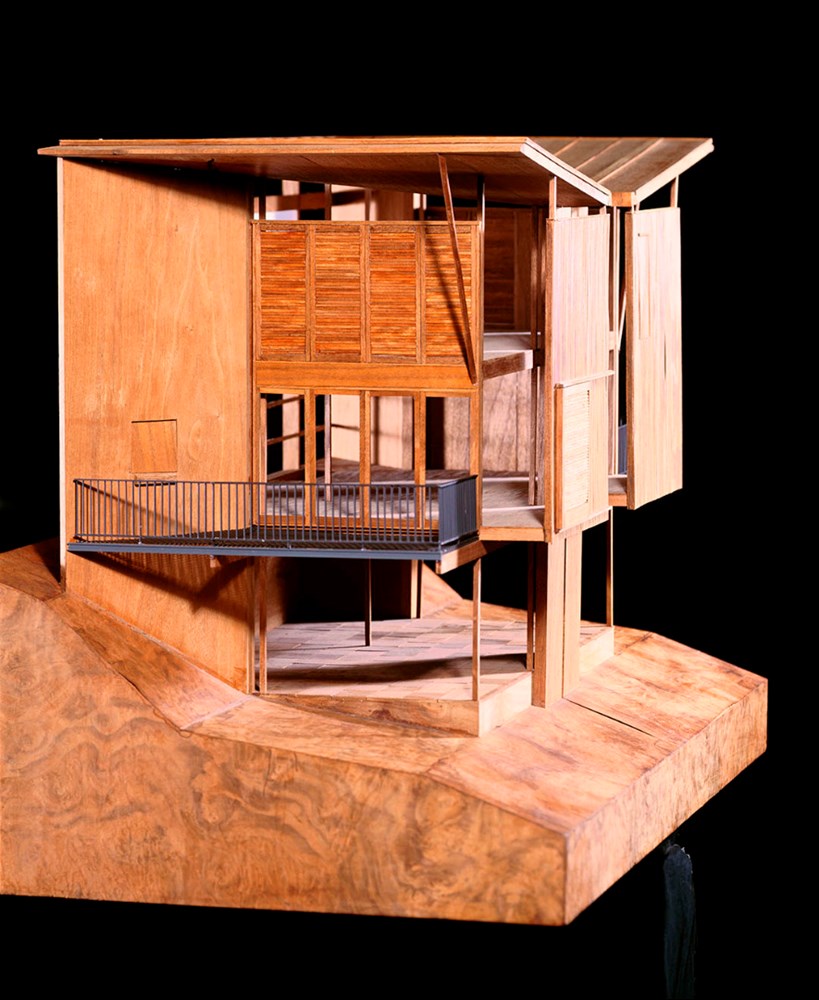
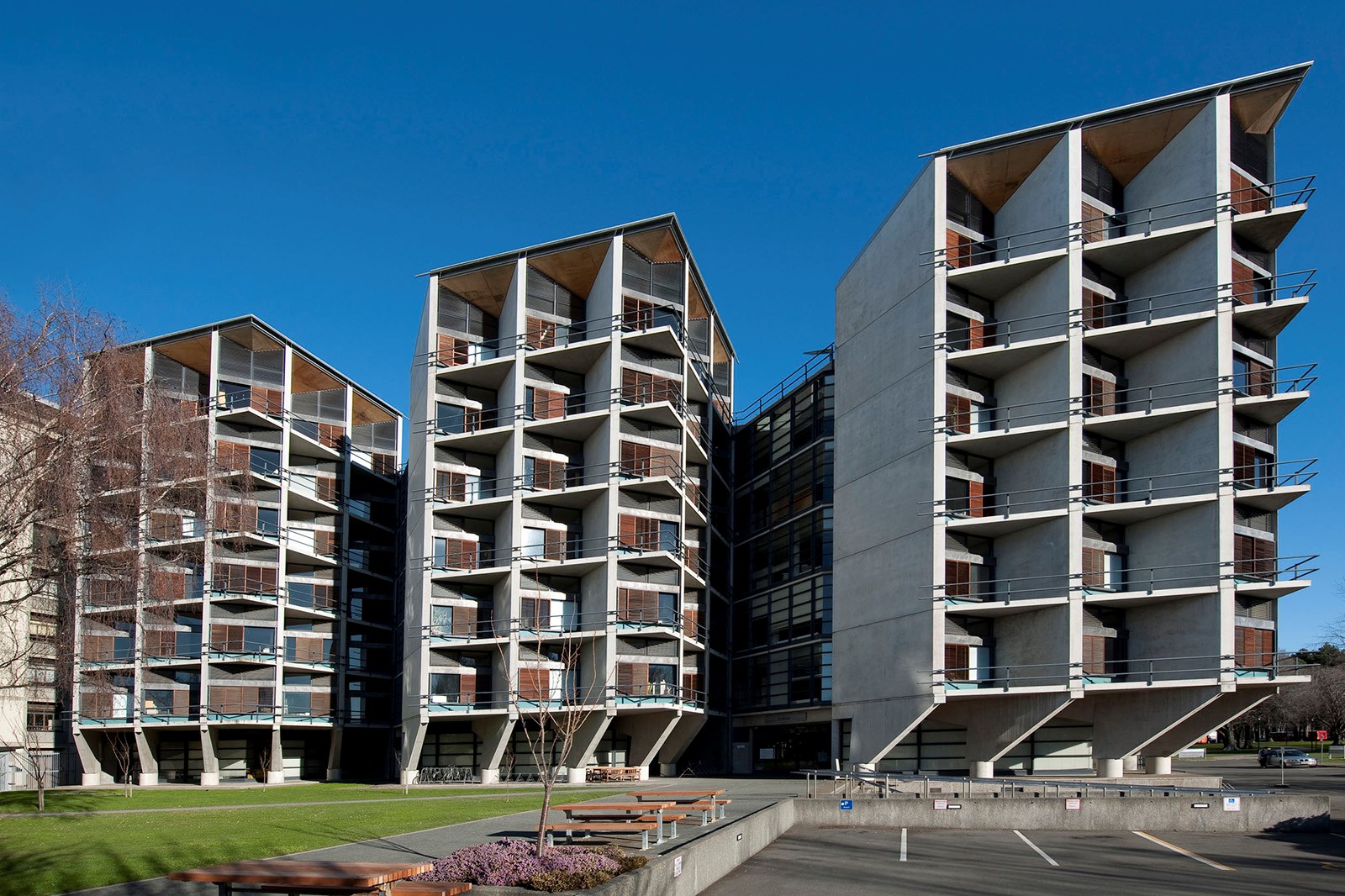
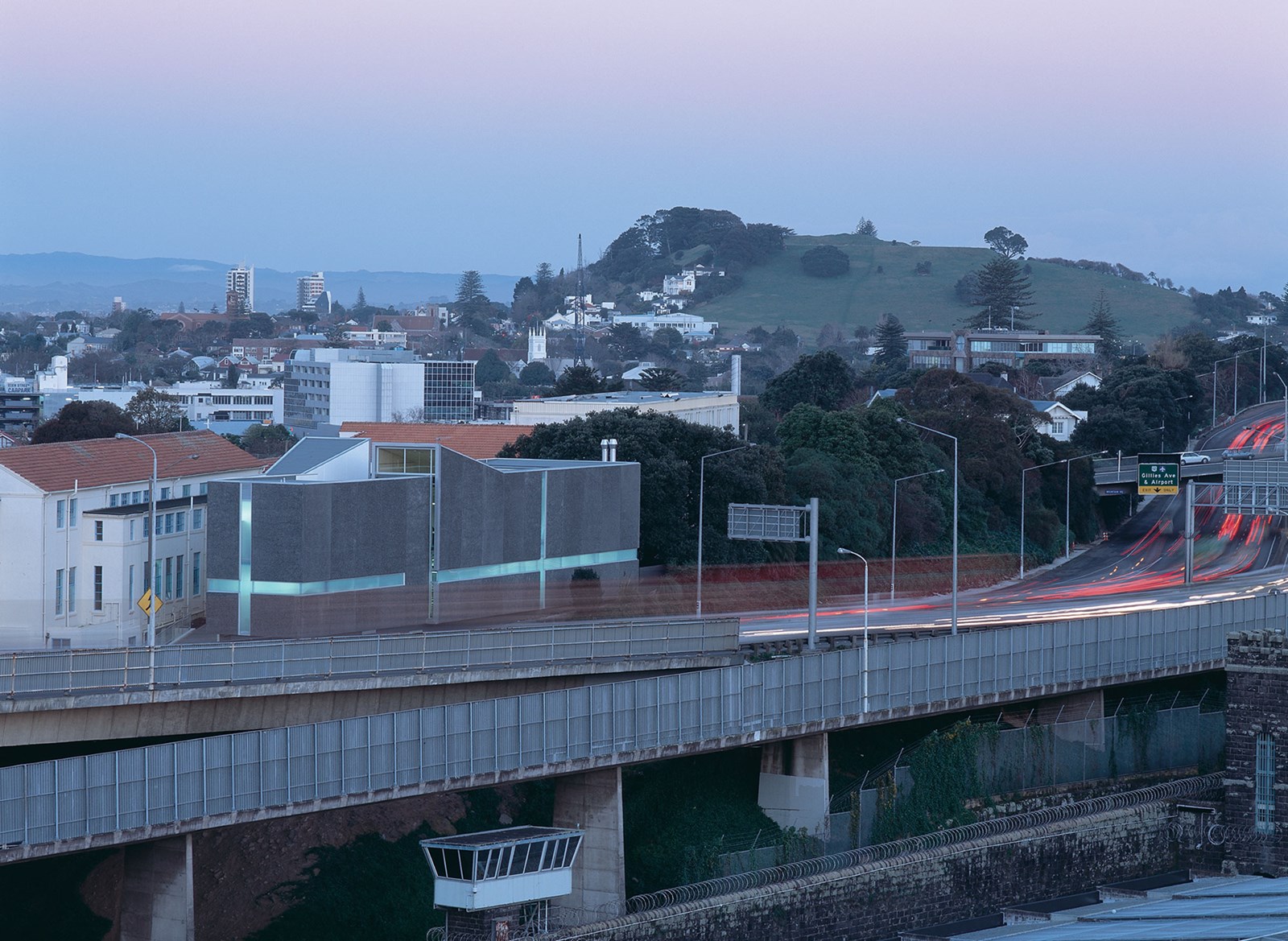
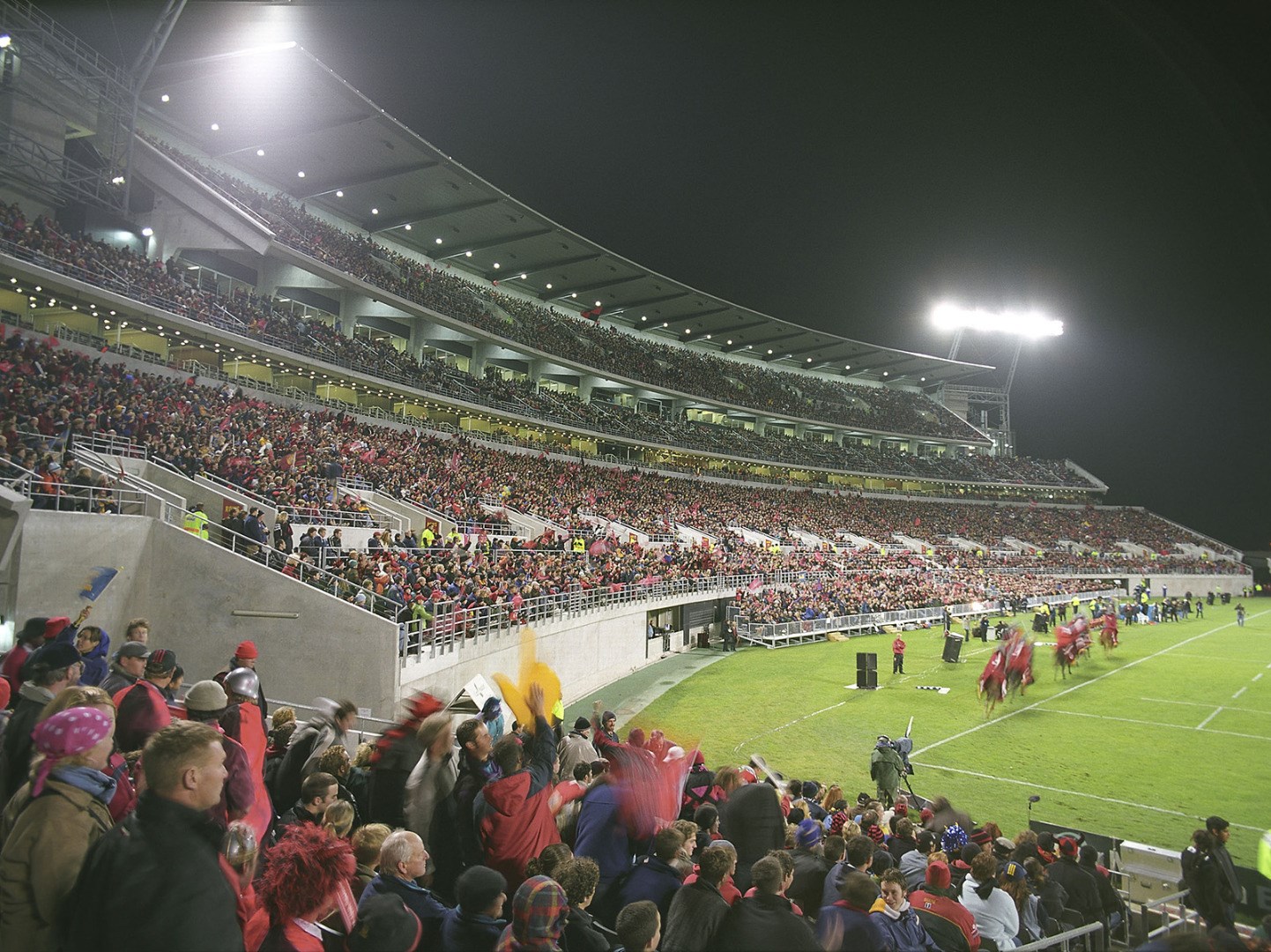
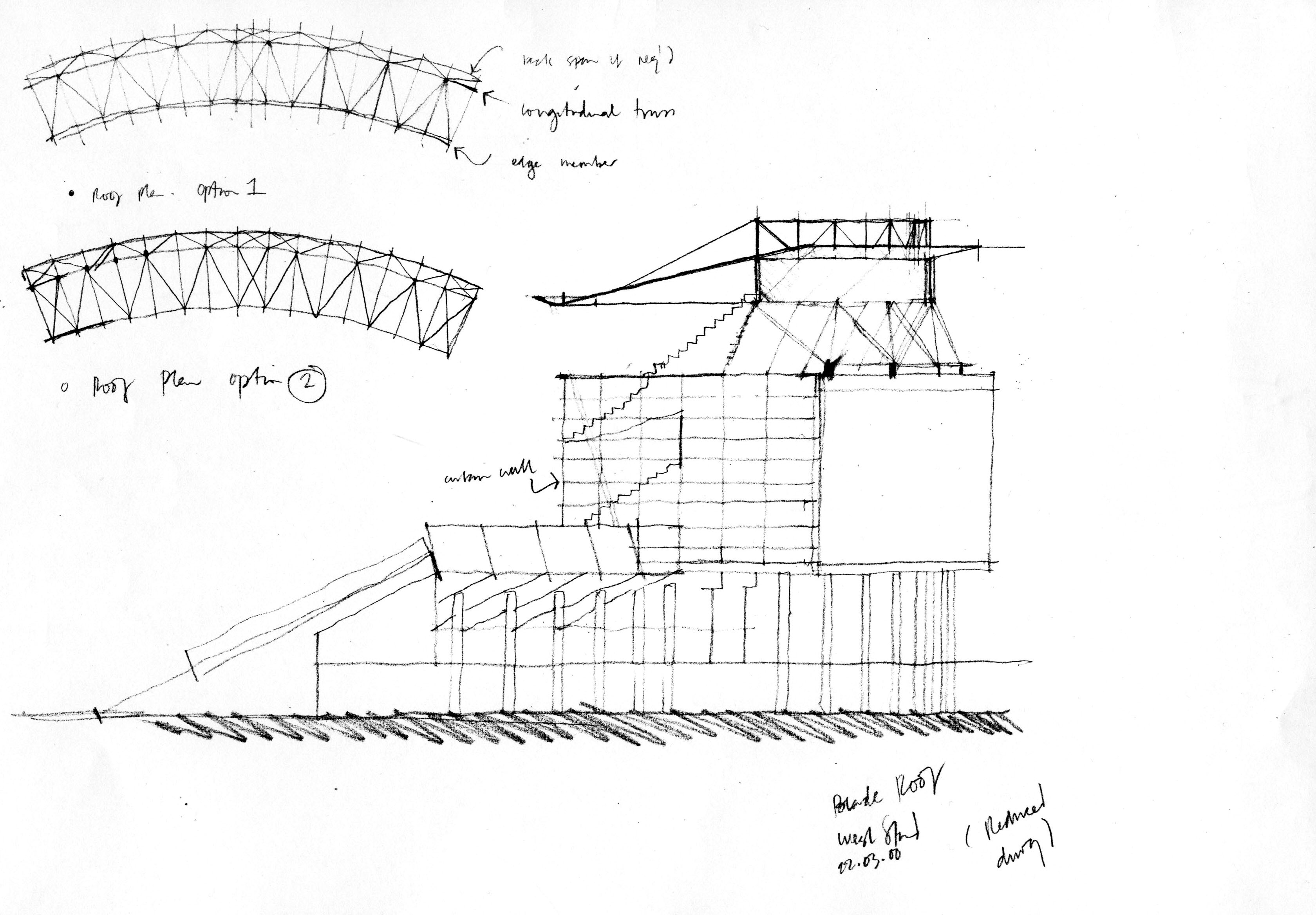
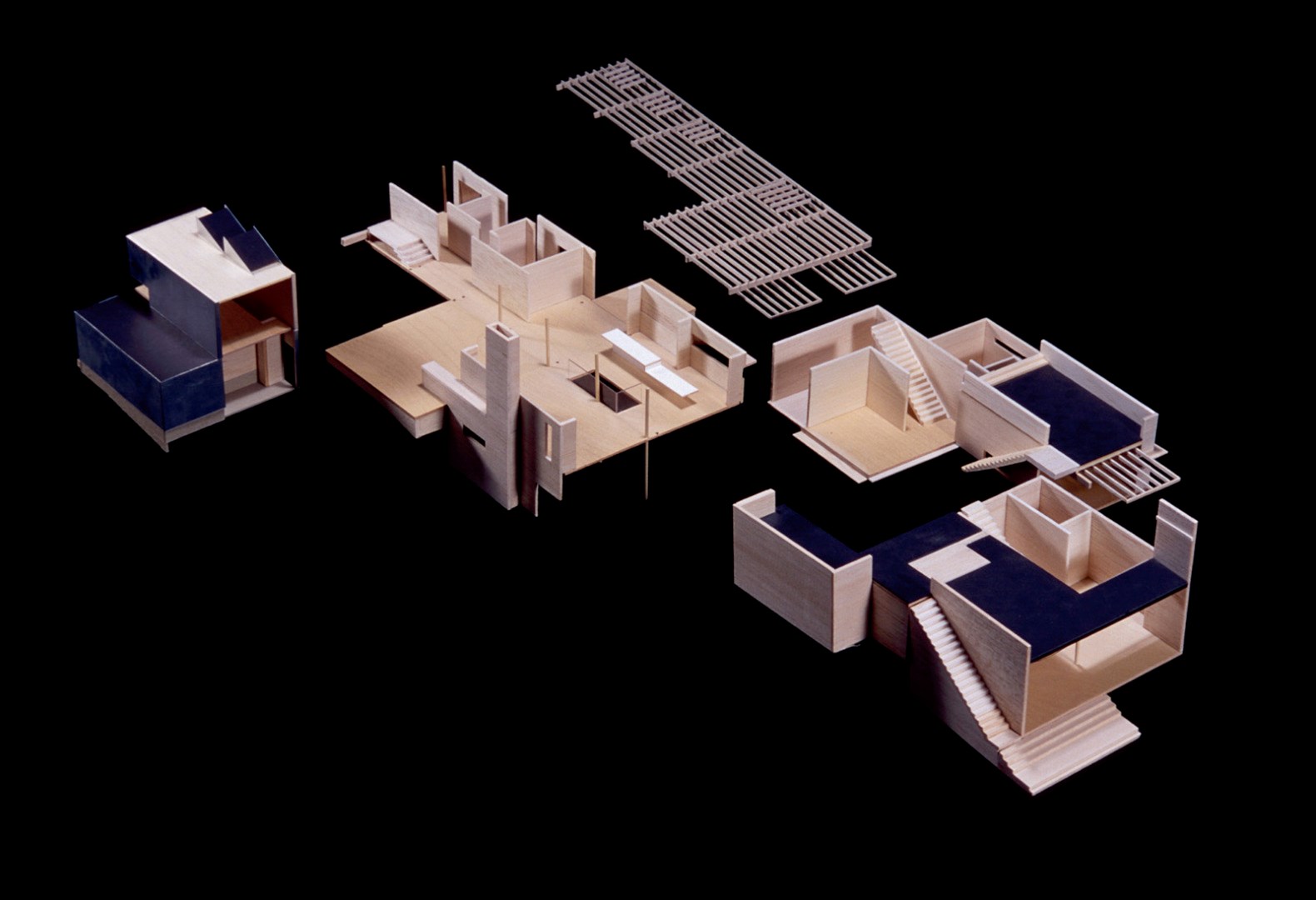
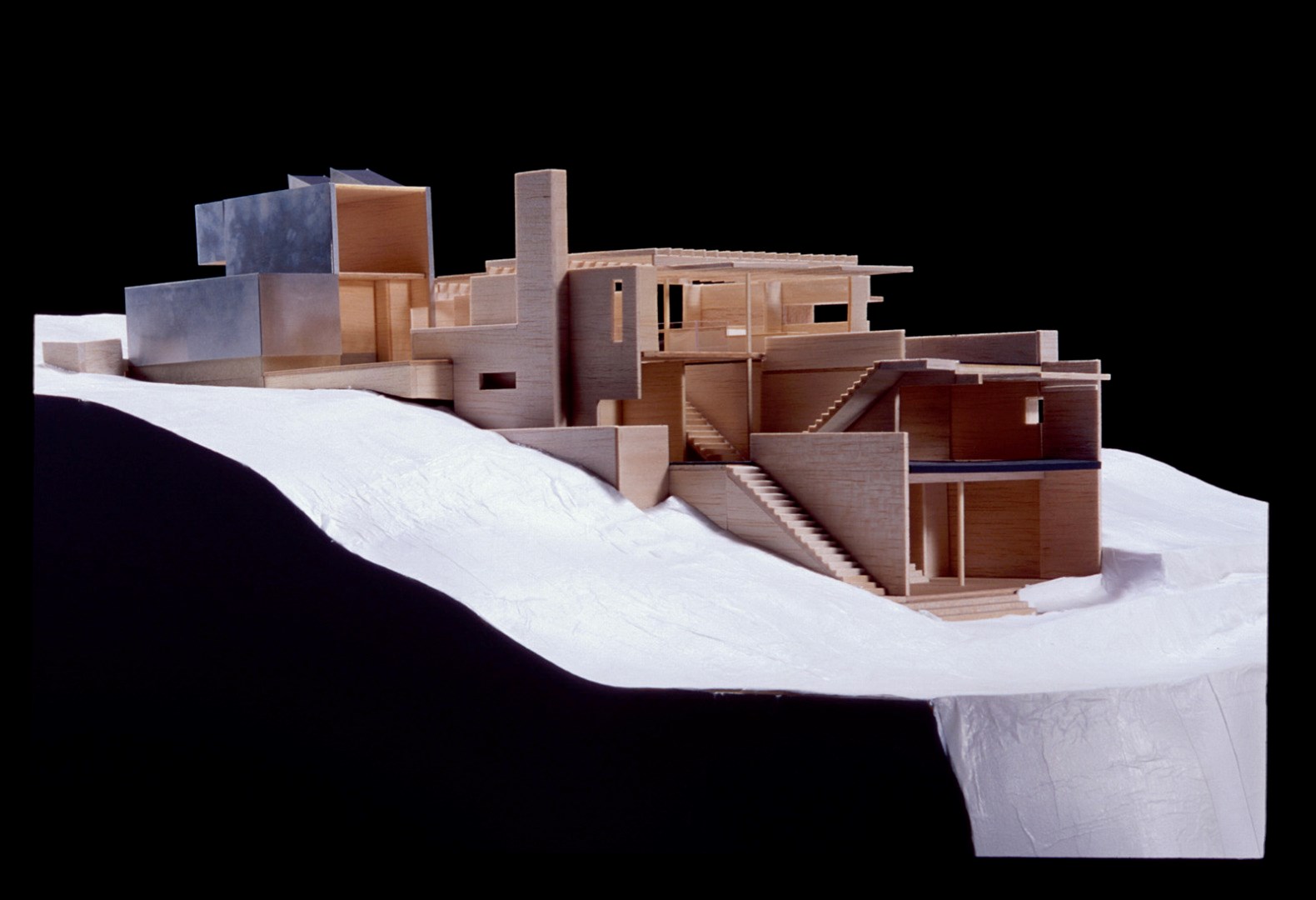
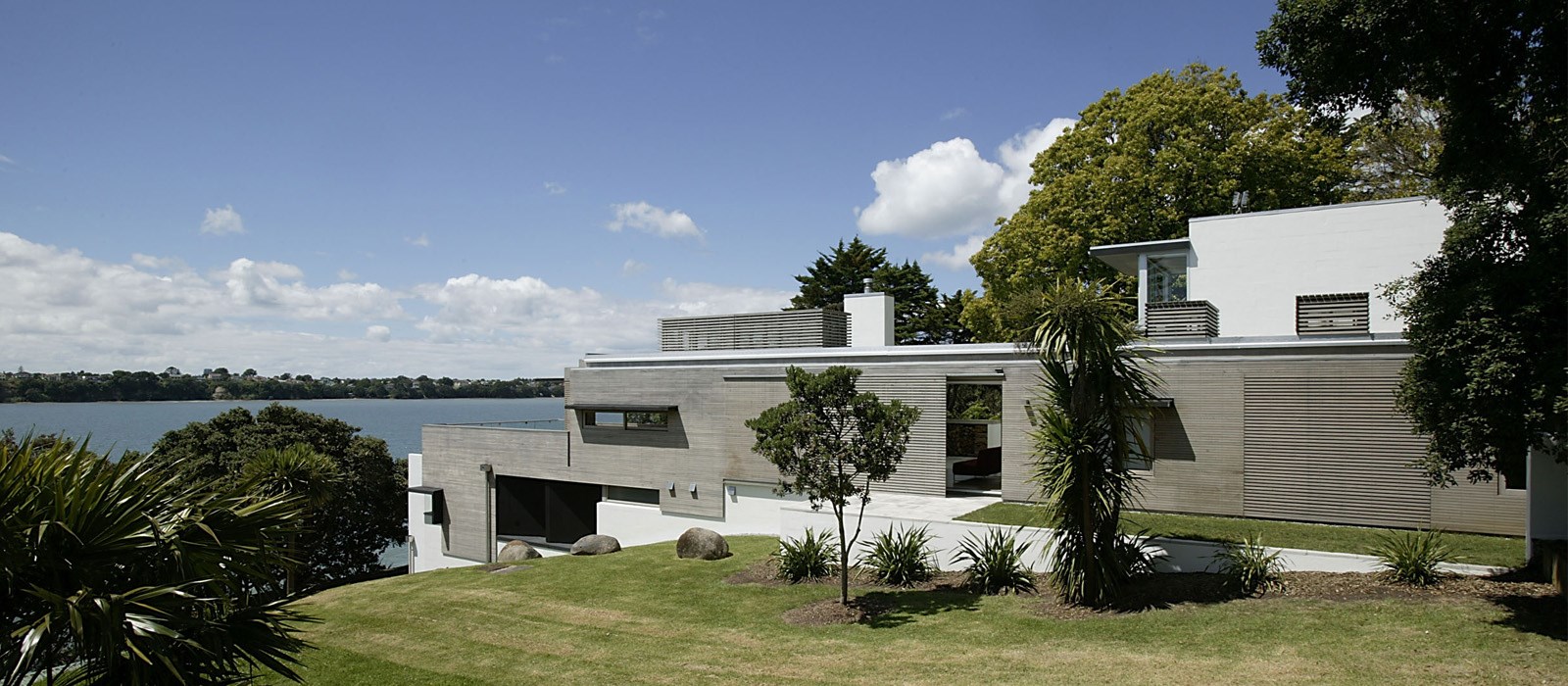
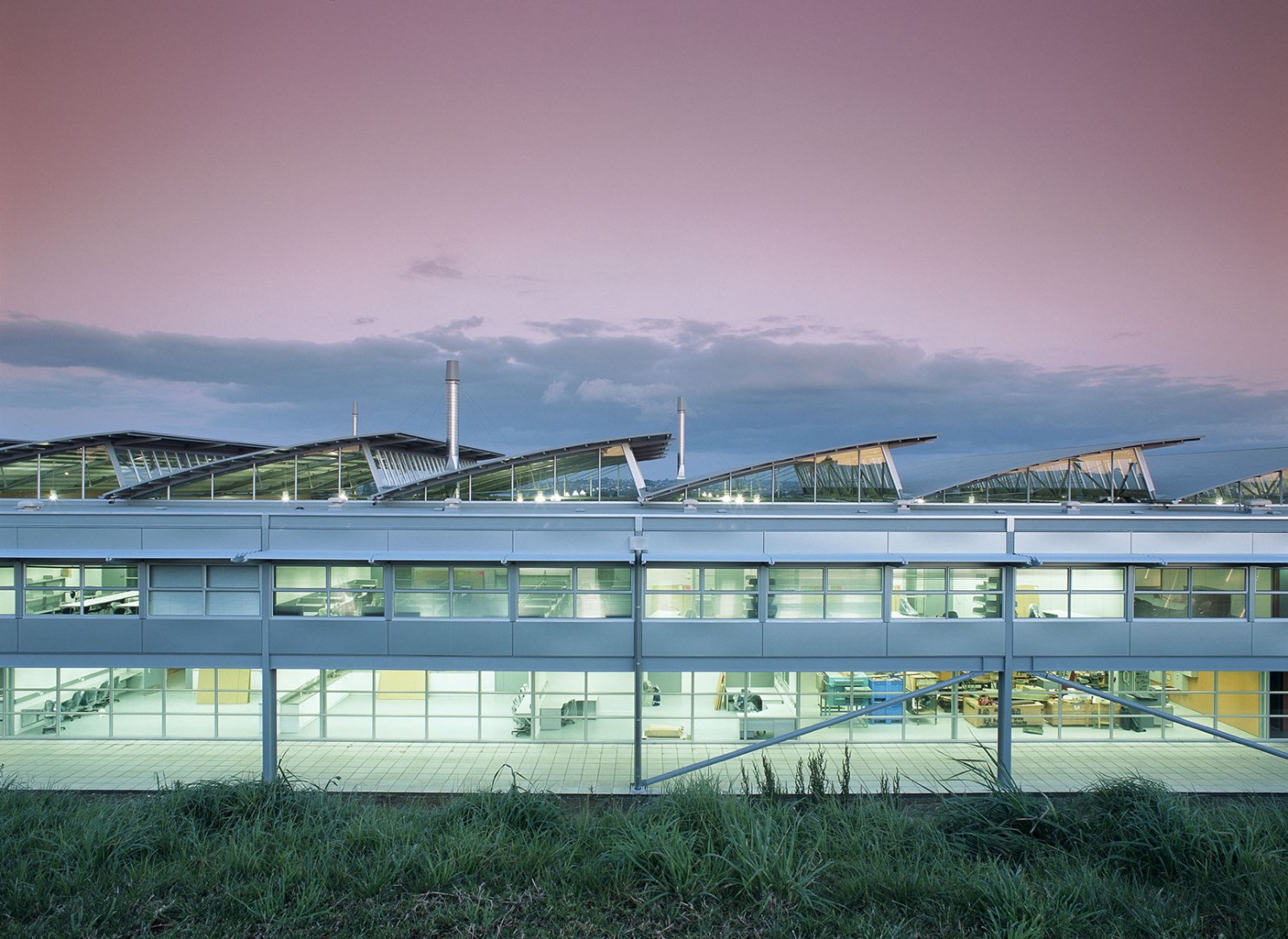
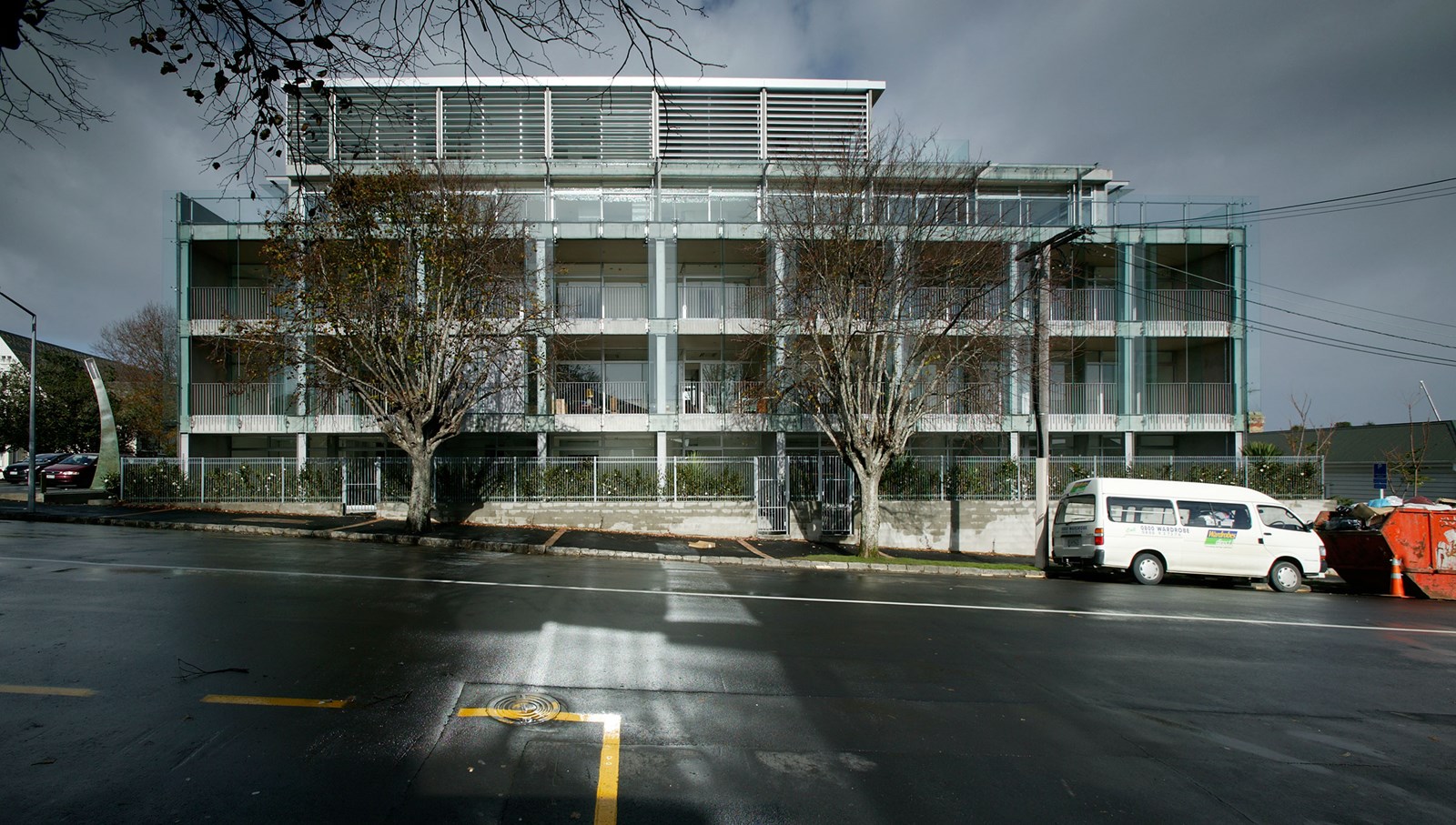
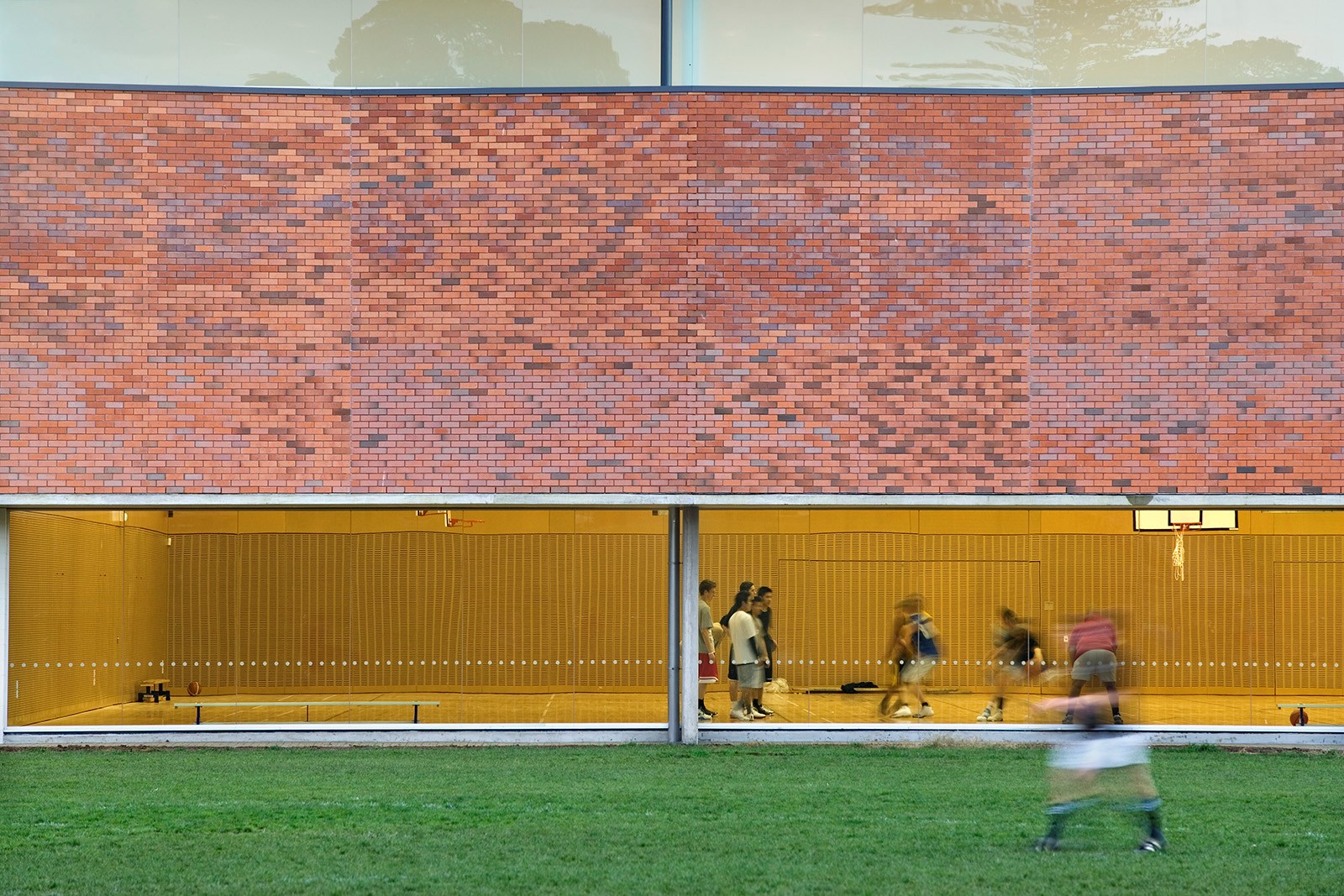
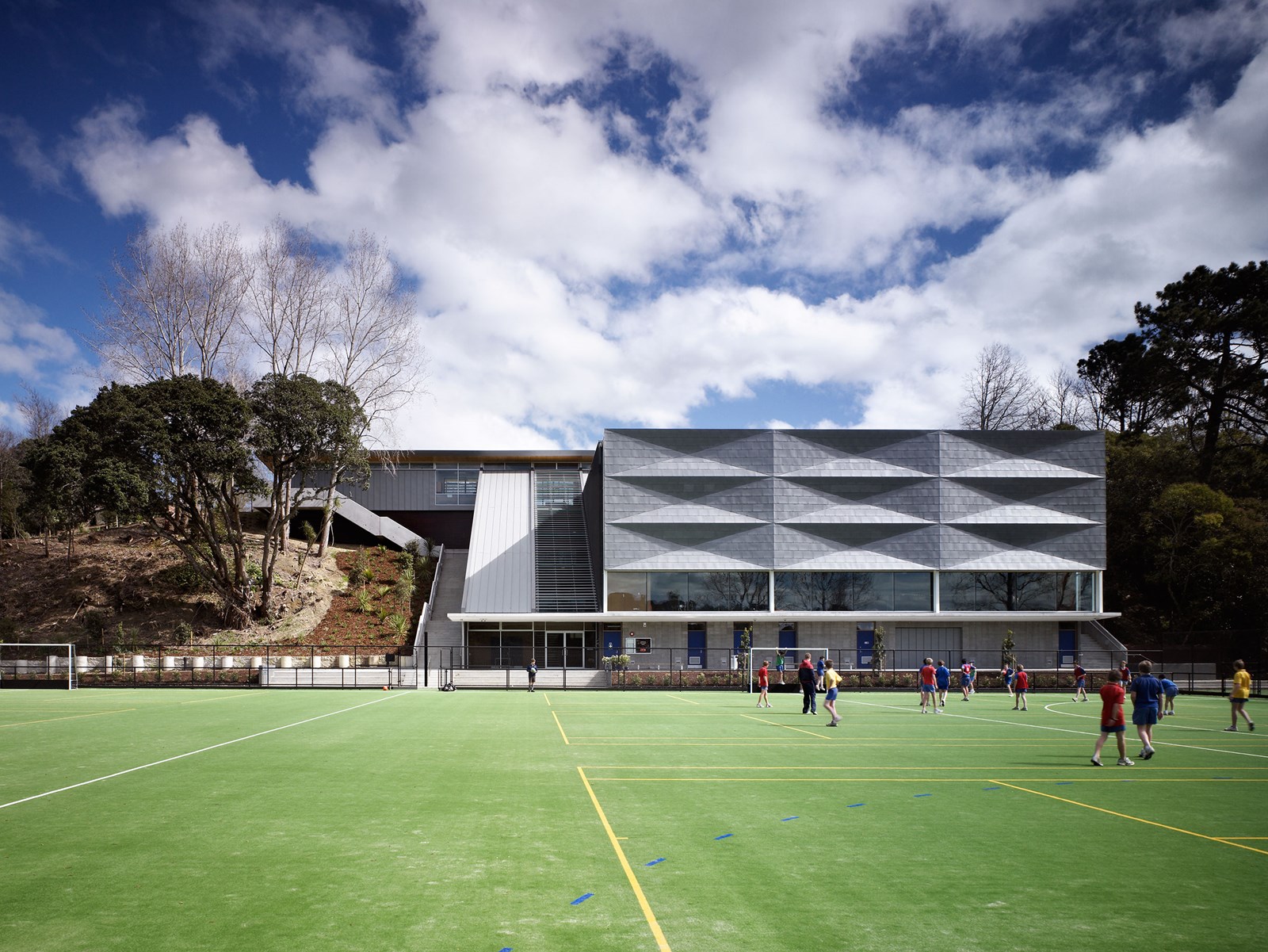
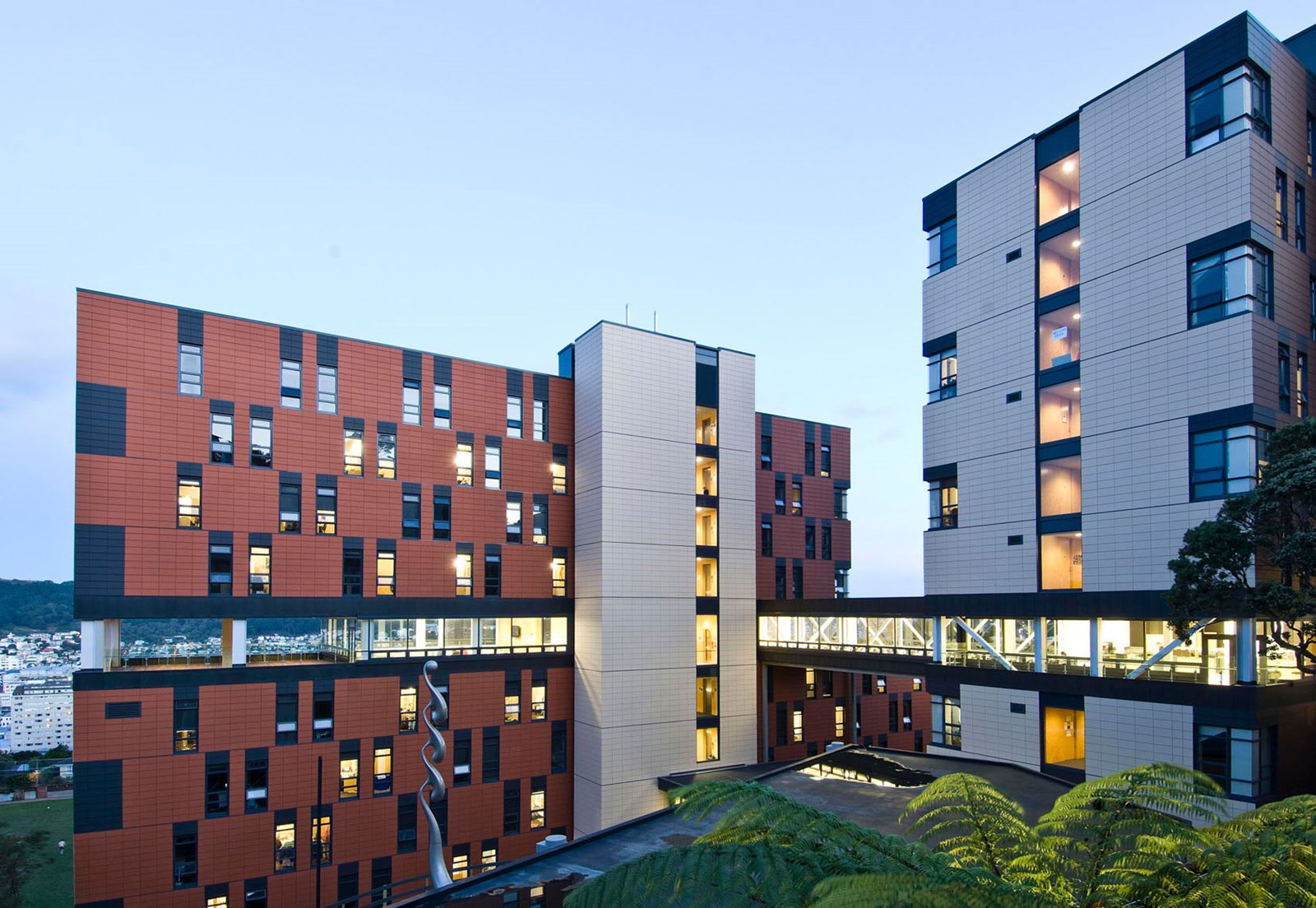
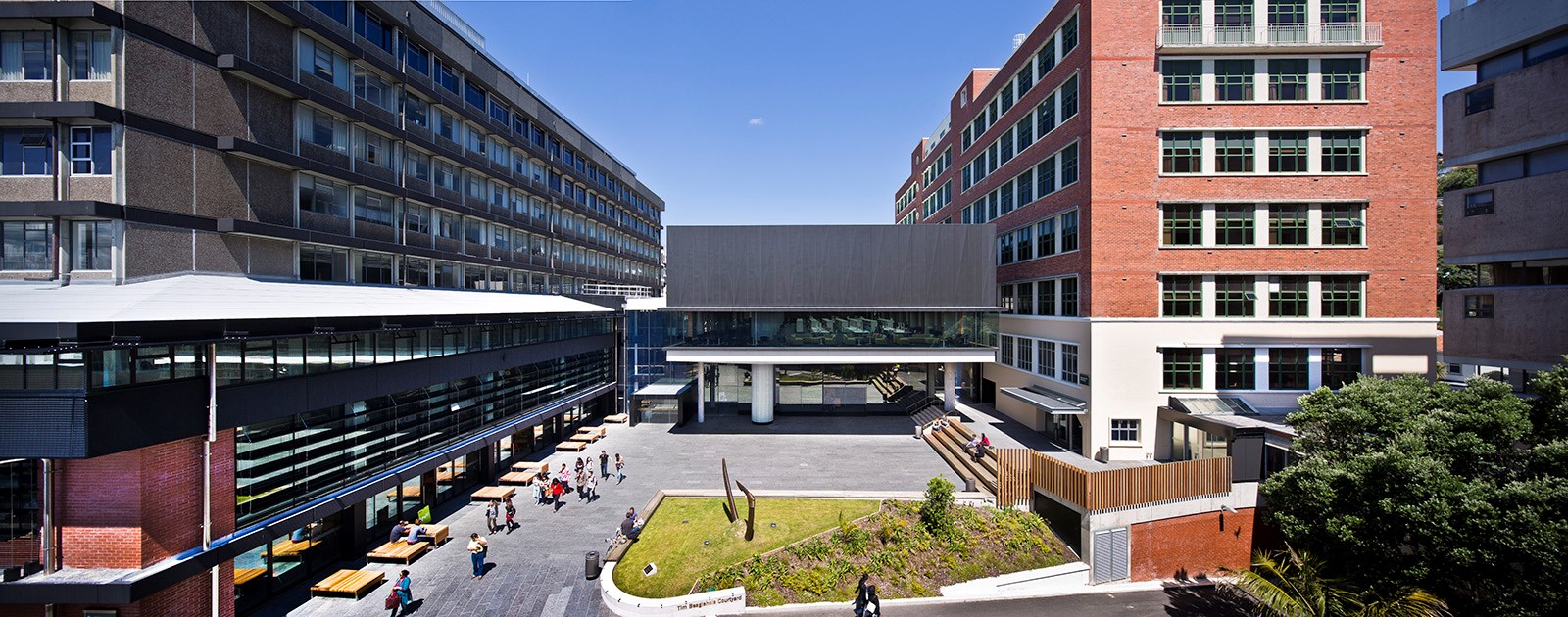
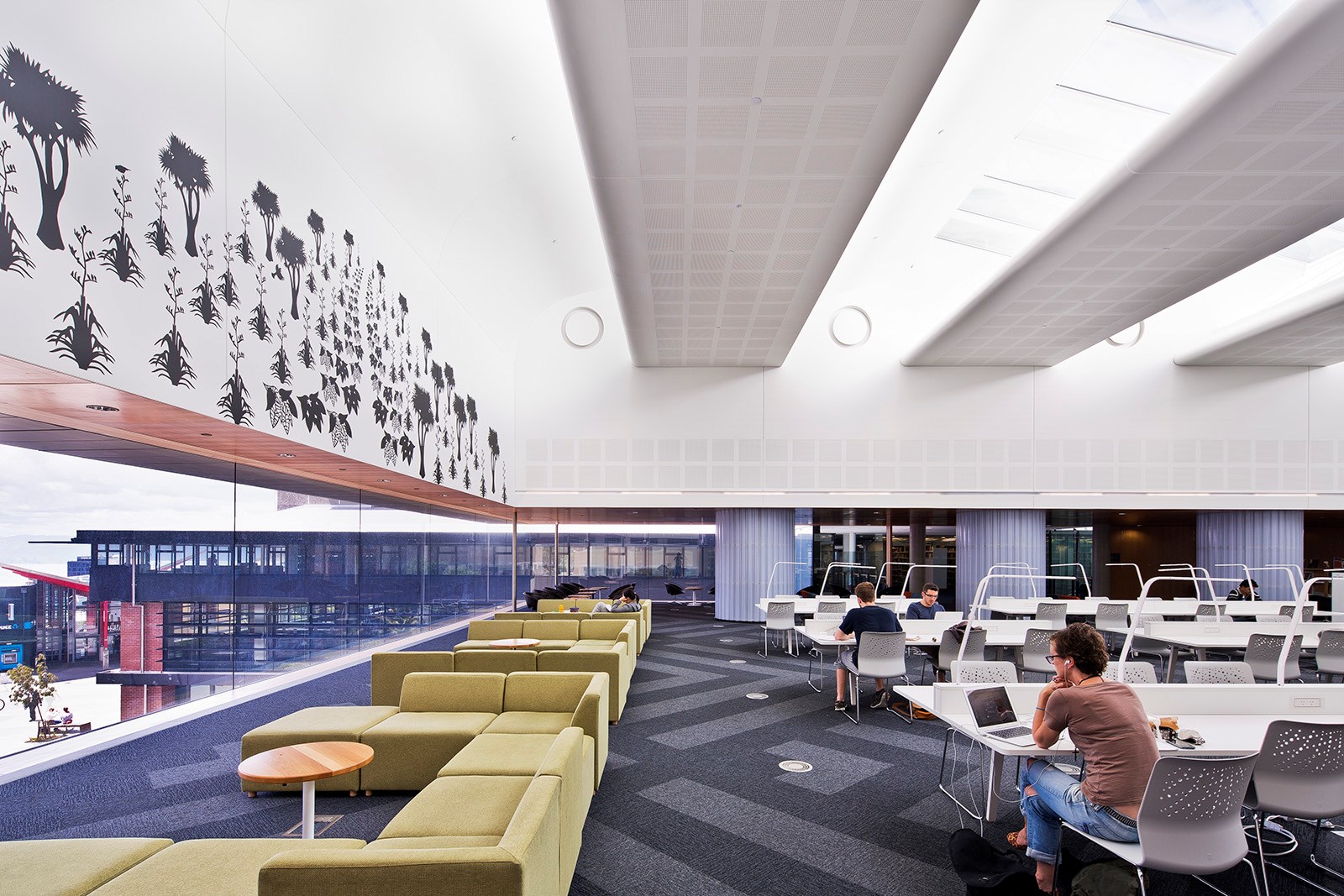
Patrick and his firm have always been self-critical and self-aware, conscious of the continuum of their work, and of its place in the traditions of the architecture they respect. The practice’s history is studded with exemplary, type-testing projects: the early-career entry into the Museum of New Zealand competition [1989]; the progenitive Clifford-Forsyth House [1995]; the virtuoso Mathematics, Statistics and Computer Sciences Building at the University of Canterbury [1998]; the robustly assertive St Peter’s College Technology Building [2001, below]; the ambitious Jade Stadium [2003, with Athfield Architects]; and the benchmark Trinity Apartments [2008]; the place-making Campus Hub at Victoria University of Wellington [2013, with Athfield Architects].