Pip Cheshire’s architectural career, which spans three and half decades and which promises yet further development, has been propelled by a confluence of admirable personal and professional qualities: courage, adventurousness, curiosity, enthusiasm and persistence.
Pip’s intellectual honesty and integrity have directed him away from paths of least resistance, and self-belief and a necessary stubbornness have enabled him to follow a course of his own making. At key points in his career he has rejected safe choices in favour of riskier but potentially more fulfilling options. There was nothing capricious about such decisions: one of the abiding and fascinating characteristics of Pip’s career is his determination to reconcile his ambition with his desire to pursue meaningful work consistent with his personal principles.
Pip’s courtesy and collegiality co-exists with a driven nature. He was a relatively late starter in architecture – he was 26 when he enrolled in the University of Auckland School of Architecture in 1976 – and has often said he feels compelled to make up for lost time. However his earlier studies, business ventures and social activism gave him valuable insights into the political and commercial contexts in which architects operate, and have provided him with experiences that have informed the urbanity of his personality and his practice.
Eager to get his career going, Pip was fast out of the blocks. While still at Architecture School he designed The Melba [1979-80], a city restaurant that anticipated Auckland’s awakening appetite for more sophisticated social environments.
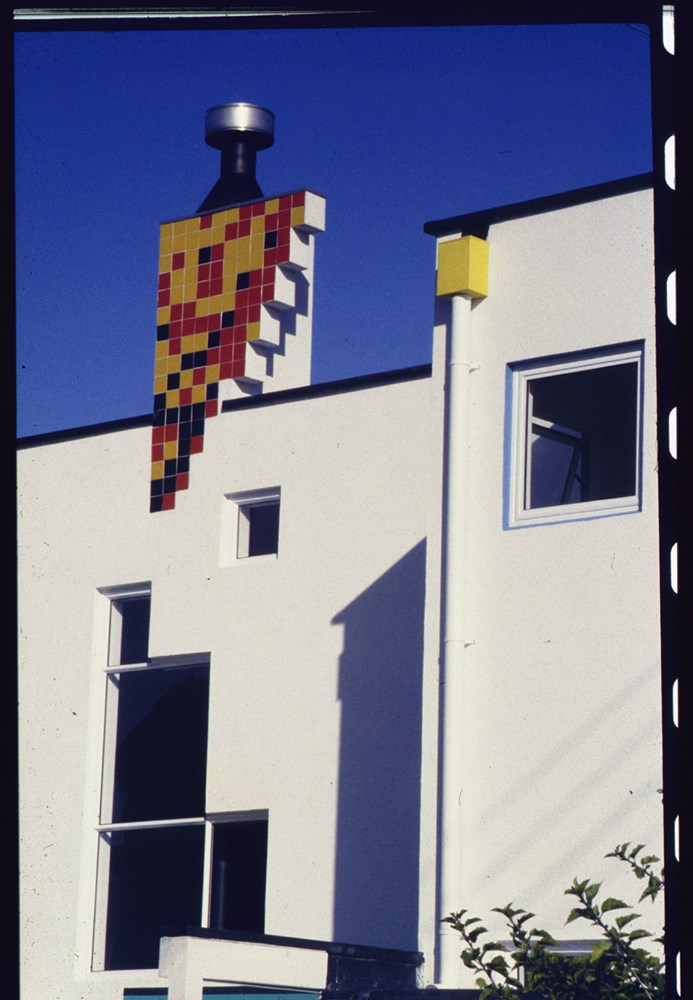
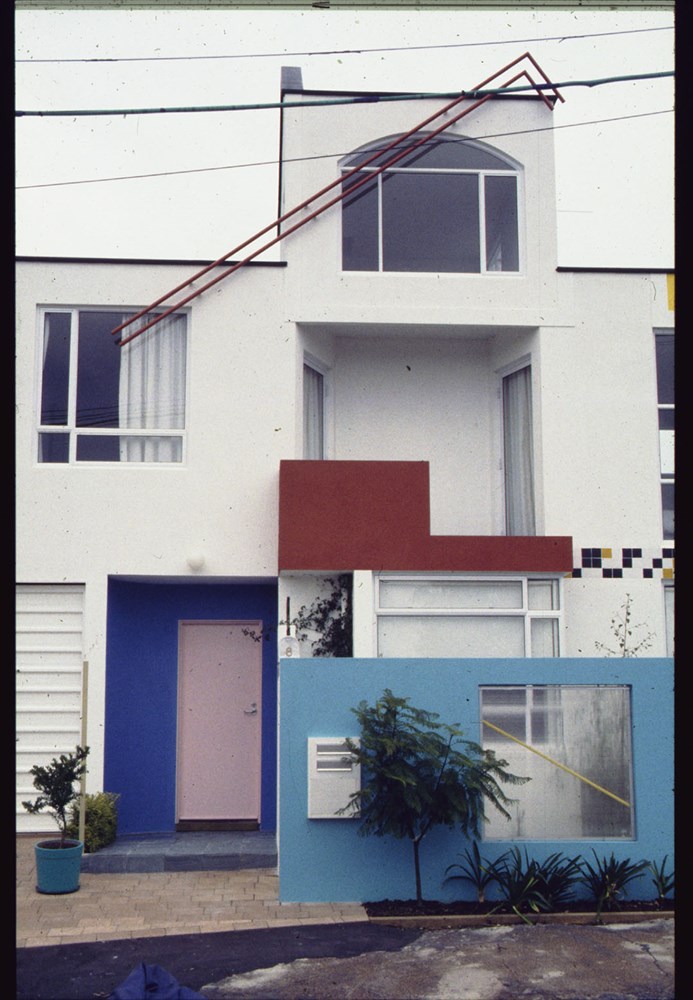
On the back of this commission, and as soon as he graduated, Pip, with some fellow students, set up Artifice, an of-its-time architects’ collective. If the genesis of Artifice revealed anti-establishment inclinations, the brevity of its life-span signaled Pip’s serious intentions. With Pete Bossley, Pip soon set up Bossley Cheshire, and the new firm quickly won a reputation for, in architectural historian Peter Shaw’s phrase, “contriving to shock the bourgeoisie while housing them”.