This award pays tribute to the work of an architect of unique talent. John Scott, who died in 1992, left a legacy of buildings which continue to touch the lives and hearts of many with their integrity, finesse and strength.
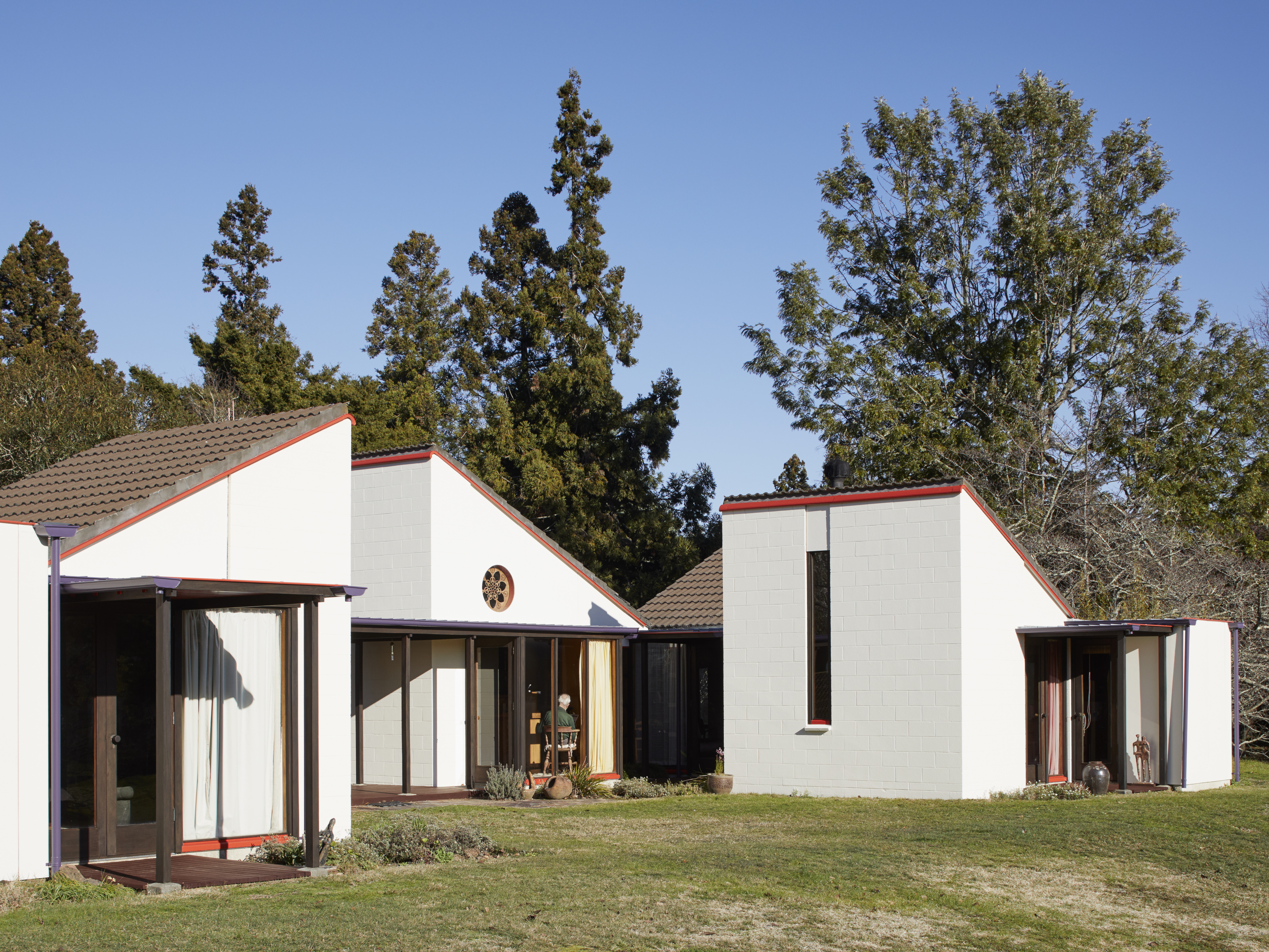
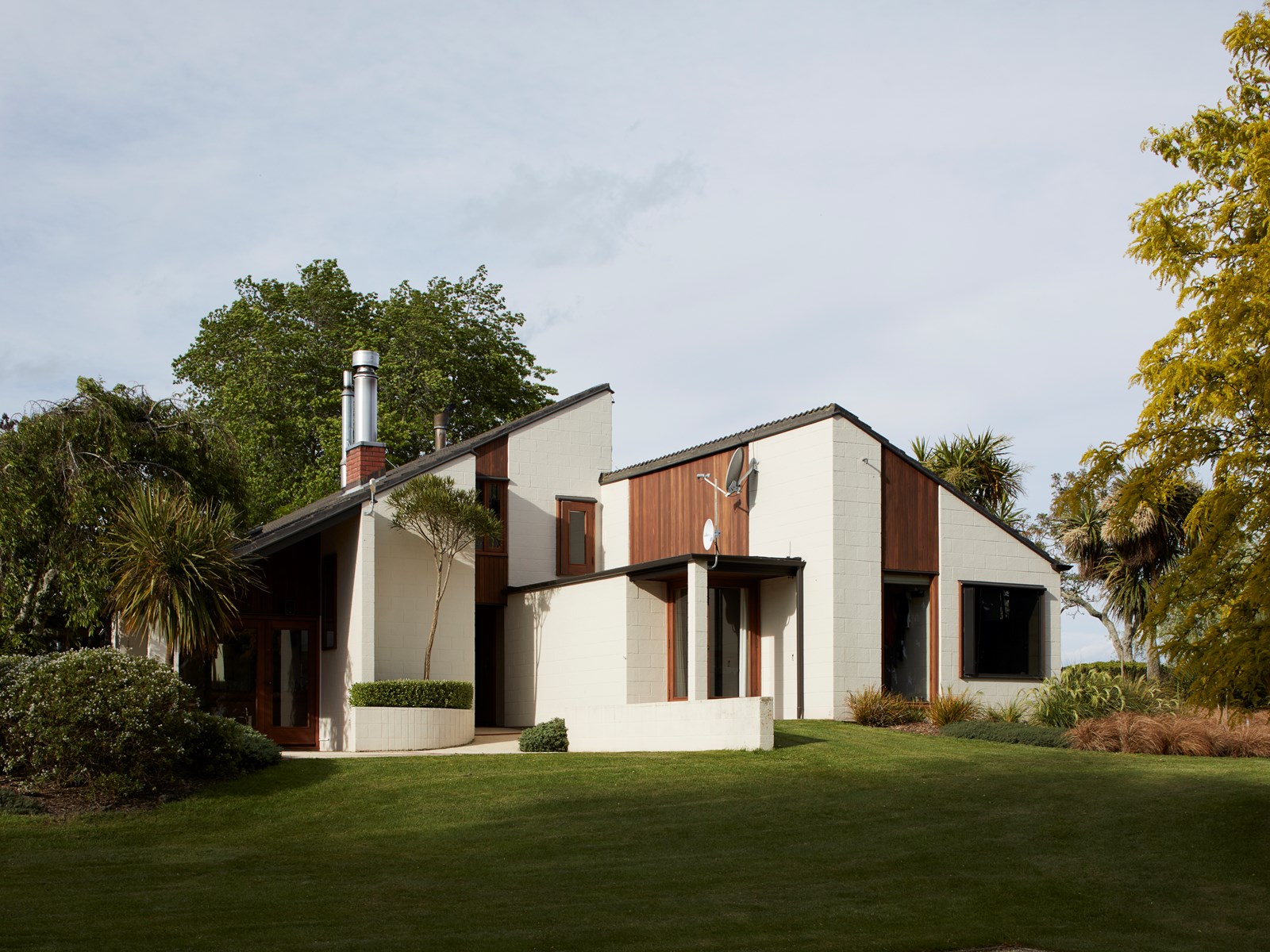
John Scott has been described as "a genius for seizing upon a human situation, giving it form and making it live sympathetically in three dimensions" (Russell Walden, Voices of Silence, VUP, 1987). Many of his more significant projects were undertaken in Hawkes Bay, where he lived for the bulk of his working life. Scott's deep feeling for the area where he had grown up, and his pride in a diverse Māori, Irish, English and Scottish heritage, shaped his personal architectural style and values. John Scott's domestic commissions in Hawkes Bay, notably the Pattison house (1967) and the Apatu houses represent an innovative reworking of the New Zealand farmhouse tradition — indeed, David Mitchell described the Pattison house as New Zealand’s prototypical "arcadian villa’ (The Elegant Shed, OUP, 1984). Scott wholly rejected colonial pastiche, instead creating comfortable beautifully detailed homes which made a strong response to the landscaped in which they are placed and reflect the architect’s firm allegiance to the humanist tradition.
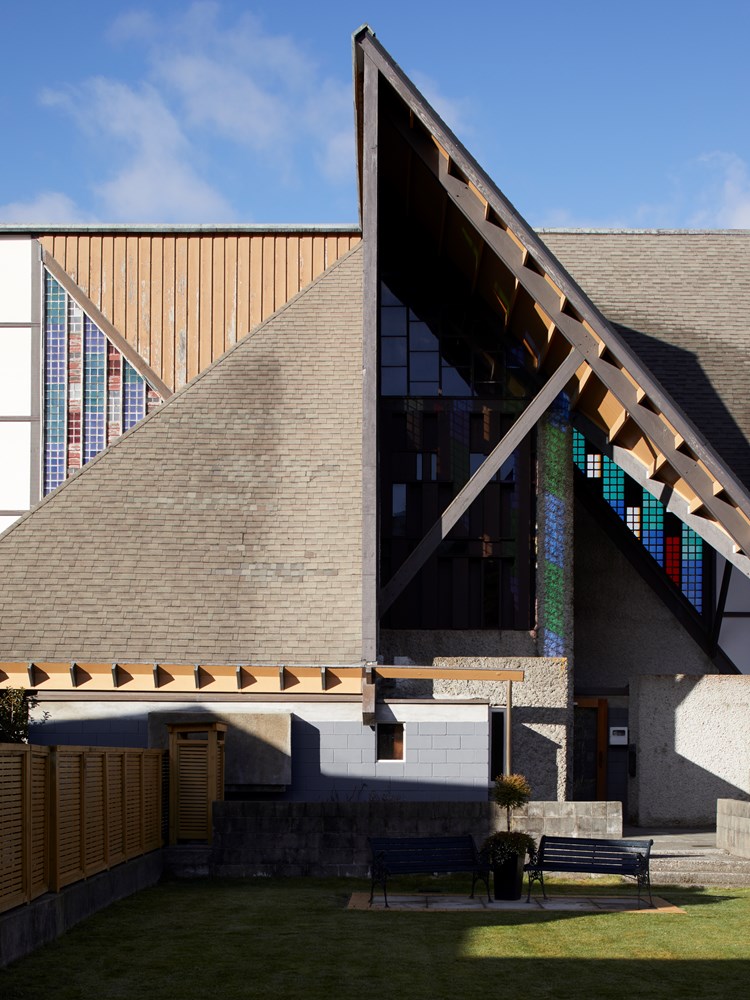
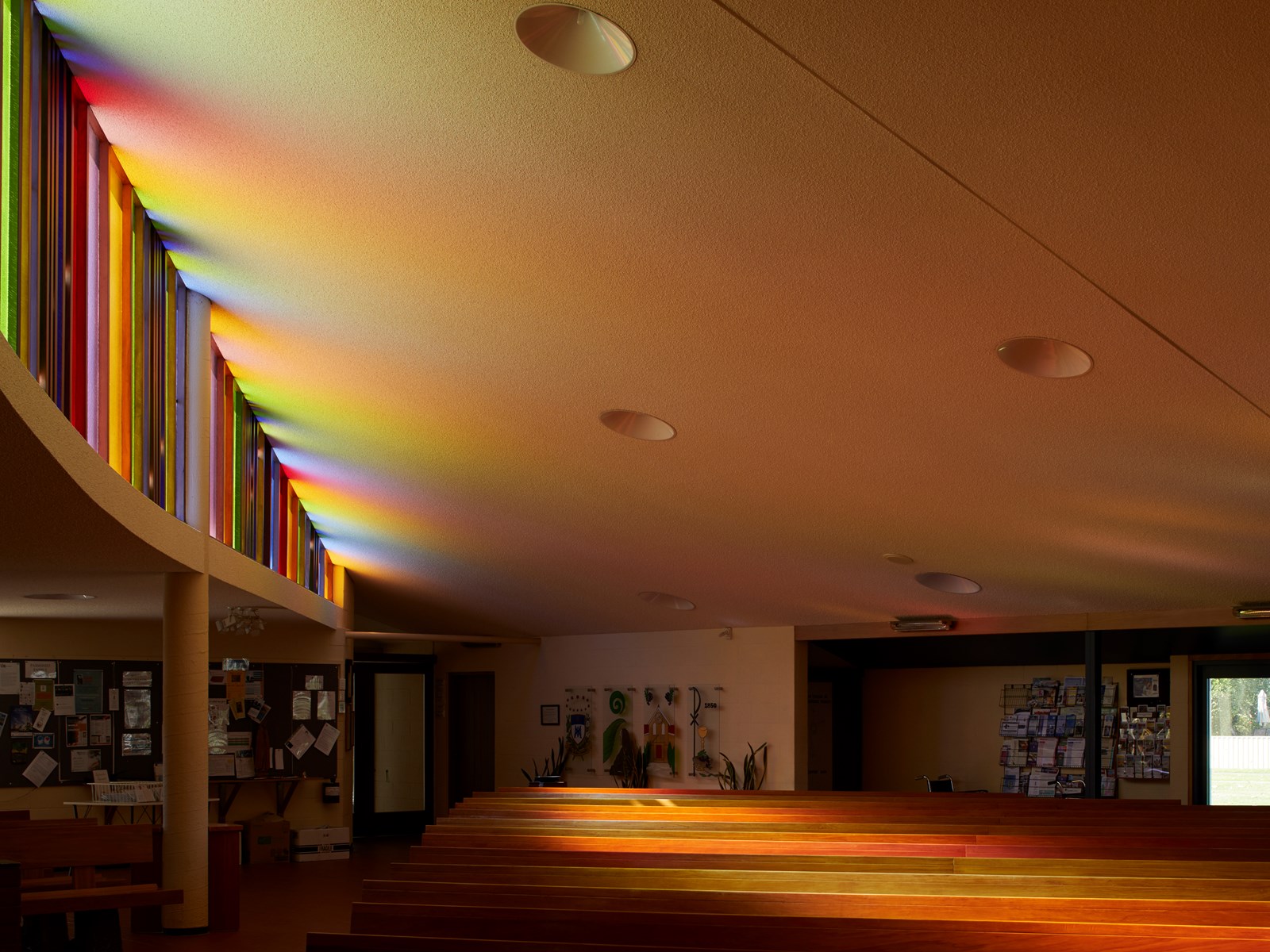
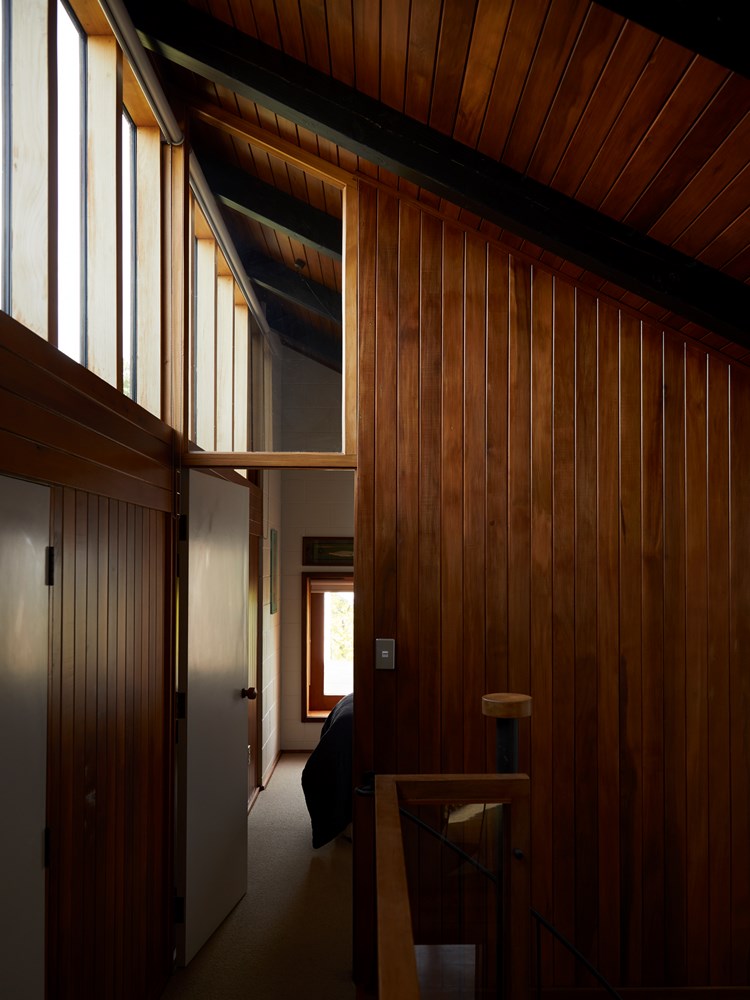
The Church of Our Lady of Lourdes, built in Havelock North in 1960, demonstrates the unique synthesis of Pākehā and Māori heritage, overlaid with modernism, that guided Scott's architectural vision. In this building we see his instinctive responsiveness to time and place, and his skill in manipulating light and materials to create powerful spaces.
These qualities were brought to bear in John Scott’s best-known commission and one of New Zealand’s most significant examples of religious architecture: Futuna Chapel (1961). This masterful composition of light and space reflects Scott’s respect for the materials and process of building, a process in which he was intimately involved alongside his clients, the Society of Mary.